Jember Coffee: A Local Origin from East Java with Growing Market Potential
Jember coffee has strong potential as a local East Java origin, supported by farming communities, green beans supply, and growing market interest.
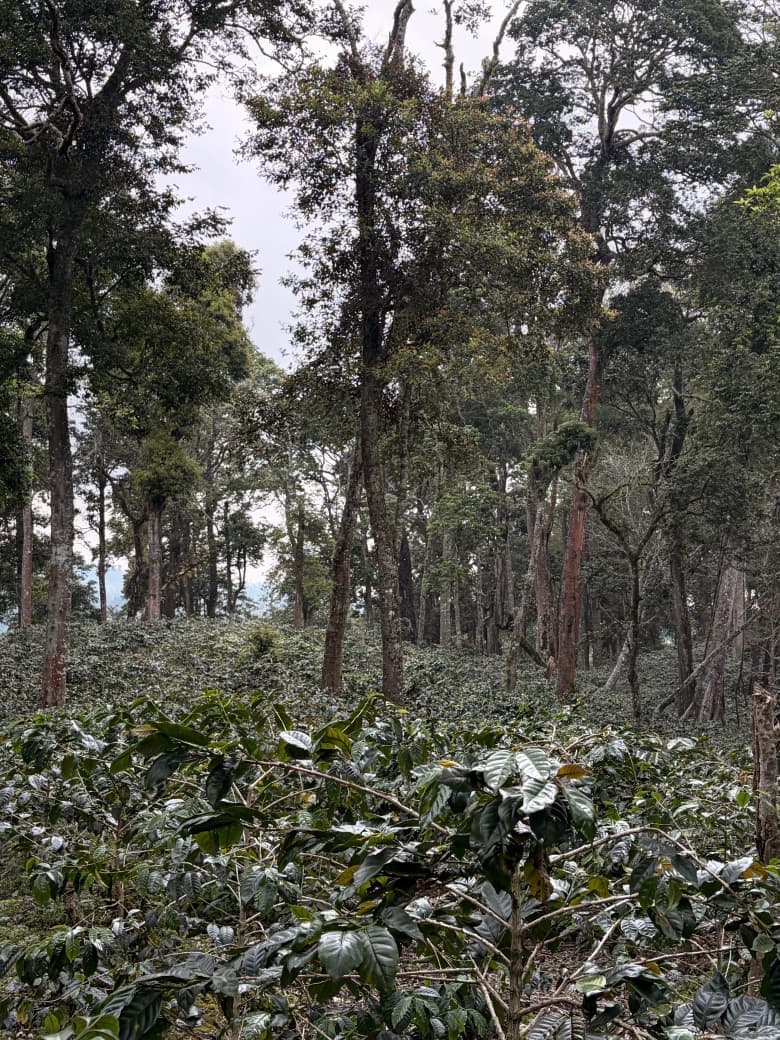
Jember has long been known as one of the important agricultural regions in East Java. Beyond tobacco, cocoa, and other plantation commodities, coffee is also a local potential that deserves more attention.
As the coffee industry pays more attention to local origins, traceability, and product stories, Jember coffee has an opportunity to grow beyond local consumption. It can become part of the green beans market for roasters, suppliers, and buyers who are looking for Indonesian coffee from East Java.
This opportunity becomes more relevant as buyers and roasters no longer evaluate coffee only by price. They also consider origin, processing method, consistency, quality data, and the story behind the product.
Jember’s Strategic Position in East Java Coffee
Jember has a strategic position in the East Java coffee landscape. The region is located near other coffee-producing areas such as Ijen, Bondowoso, Banyuwangi, and Lumajang. This gives Jember access to a wider coffee ecosystem in the eastern part of Java.
Data from Statistics Indonesia for Jember Regency shows that coffee is recorded as part of the region’s smallholder plantation commodities. This indicates that coffee is not merely a minor product outside the local economy, but part of the agricultural activities carried out by local communities.
Several academic references and local studies also mention coffee-producing areas in Jember Regency, including Silo, Bangsalsari, Tanggul, Sumberbaru, Panti, Kalisat, and Arjasa. These areas are closely connected with smallholder coffee farming activities.
With its smallholder farming base and proximity to well-known East Java coffee origins, Jember has the potential to strengthen its identity as a coffee-producing region.
Why Jember Coffee Deserves More Attention
Jember coffee deserves attention for several reasons. First, Jember is located in East Java, a province that already has a strong reputation in Indonesia’s coffee industry. Second, the region is close to the Ijen coffee ecosystem, which is already known by some roasters and buyers.
Third, Jember has local farmers and coffee actors who can be developed through better quality control, post-harvest improvement, and origin branding. In the modern coffee market, origins with strong stories and consistent quality can create additional value.
Fourth, demand for Indonesian coffee is not limited to famous origins. Many roasters are also looking for alternative origins with interesting profiles, local stories, and reliable supply potential.
This is where Jember coffee can find its space. With proper development, Jember can be recognized not only as an agricultural region, but also as a coffee origin with its own identity.
Jember Coffee Characteristics for Roasters and Buyers
Every coffee origin has different characteristics. These characteristics are influenced by variety, altitude, climate, soil, post-harvest processing, and green beans storage.
For Jember coffee, one of the strengths that can be developed is its potential for local roasters and broader green beans buyers. Robusta coffee from East Java is generally known for its strong body and bold character, making it suitable for espresso blends and milk-based coffee products.
Meanwhile, arabica coffee from mountainous areas around Jember and the wider Ijen region can have potential for the specialty market, especially when processed with good standards. Natural, full washed, honey, wine, and anaerobic processes can create different flavor profiles depending on roaster needs.
However, flavor characteristics should not only be claimed in general terms. To build buyer trust, Jember coffee needs to be supported by cupping data, moisture content, defect count, screen size, and clear processing information.
Opportunities for Jember Coffee in the Green Beans Market
The green beans market requires more than coffee stock. Roasters and buyers need clear product information before making purchasing decisions. They want to know the origin, variety, process, moisture content, defect level, screen size, supply capacity, and lot consistency.
In the context of global coffee price trends in 2026, local suppliers need to be more careful in maintaining quality and product data in order to remain competitive in the eyes of buyers. Price matters, but quality and consistency remain key factors in purchasing decisions.
Jember coffee has an opportunity to enter the green beans market if it can provide this information professionally. Local suppliers need to move beyond simply offering price per kilogram.
For roasters, attractive green beans are beans with predictable quality. If each delivery has a very different quality, roasters will struggle to maintain consistency in their final product.
Therefore, the opportunity for Jember coffee is not only in production, but also in building a better quality system. The clearer the product data and quality control, the greater the chance for Jember coffee to gain market trust.
Challenges for Jember Coffee to Become More Competitive
Although Jember coffee has strong potential, it also faces several challenges. These challenges need to be addressed if Jember wants to become a stronger origin in the local and wider coffee market.
Quality Consistency
Quality consistency is one of the most important challenges in the green beans business. Buyers and roasters need coffee that is not only good in one sample, but also stable in future orders.
If the first sample is good but the next shipment is very different, buyer trust can decrease. This is why quality control from farm to warehouse is essential.
Traceability
Traceability is becoming an important standard in the modern coffee industry. Buyers want to know where the coffee comes from, who produces it, how it is processed, and how the quality is maintained.
For Jember coffee, traceability can become a strong differentiator. Clear origin information can increase value compared to coffee sold only as a generic product without story or data.
Origin Branding
A strong origin needs strong branding. Aceh Gayo, Toraja, Flores, and Java Ijen are known not only because of the coffee itself, but also because of the regional story and flavor identity that are continuously communicated.
Jember needs to build a stronger origin narrative. This can include its geographic position, local farmers, post-harvest practices, and connection with the wider East Java coffee ecosystem.
Market Access
Many local coffees have good quality but limited market access. This can happen because of limited buyer networks, weak product documentation, or insufficient digital promotion.
Websites, educational articles, digital catalogs, and professional communication can help open wider market access for local coffee.
The Role of Local Suppliers and Exporters
Local suppliers and exporters play an important role in developing Jember coffee. They can become the bridge between farmers, processors, roasters, and buyers.
This role is not only about buying and selling coffee. A good supplier also helps maintain quality standards, collect product data, sort green beans, prepare samples, and provide the information buyers need.
Exporters can also help introduce Jember coffee to a wider market. With proper legality, documentation, networks, and communication systems, local coffee can have better opportunities in both domestic and international markets.
However, this must be done step by step. The first and most important step is strengthening quality, transparency, and consistency.
Jember Coffee and the Opportunity for Nawasena
For Nawasena, Jember coffee has strategic value because it is close to the company’s identity and operational area. Promoting Jember coffee is not only about selling products, but also about supporting a stronger local coffee ecosystem.
Nawasena can contribute through market education, origin information, green beans quality improvement, and connections between local coffee actors, roasters, and buyers.
Through content like this, Nawasena News can become a media platform that introduces the potential of Jember coffee in a more professional way. Articles, market insights, farmer stories, and quality guides can build reader trust while supporting the company’s SEO strategy.
If done consistently, Jember coffee can become an important topic that strengthens Nawasena’s visibility for searches related to Jember coffee, Jember coffee supplier, Jember coffee company, and Jember green beans.
Conclusion
Jember coffee has strong potential as a local origin from East Java. With its smallholder farming base, proximity to the Ijen coffee ecosystem, and the growing green beans market, Jember deserves more attention from roasters, suppliers, and coffee industry players.
However, potential alone is not enough. To become a more competitive origin, Jember coffee needs stronger quality consistency, traceability, origin branding, and market access.
For local coffee actors, this is an opportunity to create more value. For Nawasena, it is also an opportunity to strengthen its identity as a company that is close to origin, understands quality, and supports the growth of Indonesian coffee.
Data Sources
Statistics Indonesia, Jember Regency: Smallholder Plantation Production by Crop Type.
Study and development planning document for Robusta coffee in Jember Regency.
Academic references related to smallholder coffee-producing areas in Jember Regency.

Author
Khoirul Anam
Coffee Market Analyst
Fokus pada harga komoditas, tren roaster, dan permintaan specialty coffee lintas negara.