What Is Green Beans Coffee? A Complete Guide for Roasters and Buyers
Green beans coffee refers to unroasted coffee beans. Learn the key quality factors, standards, and checks roasters and buyers should understand.
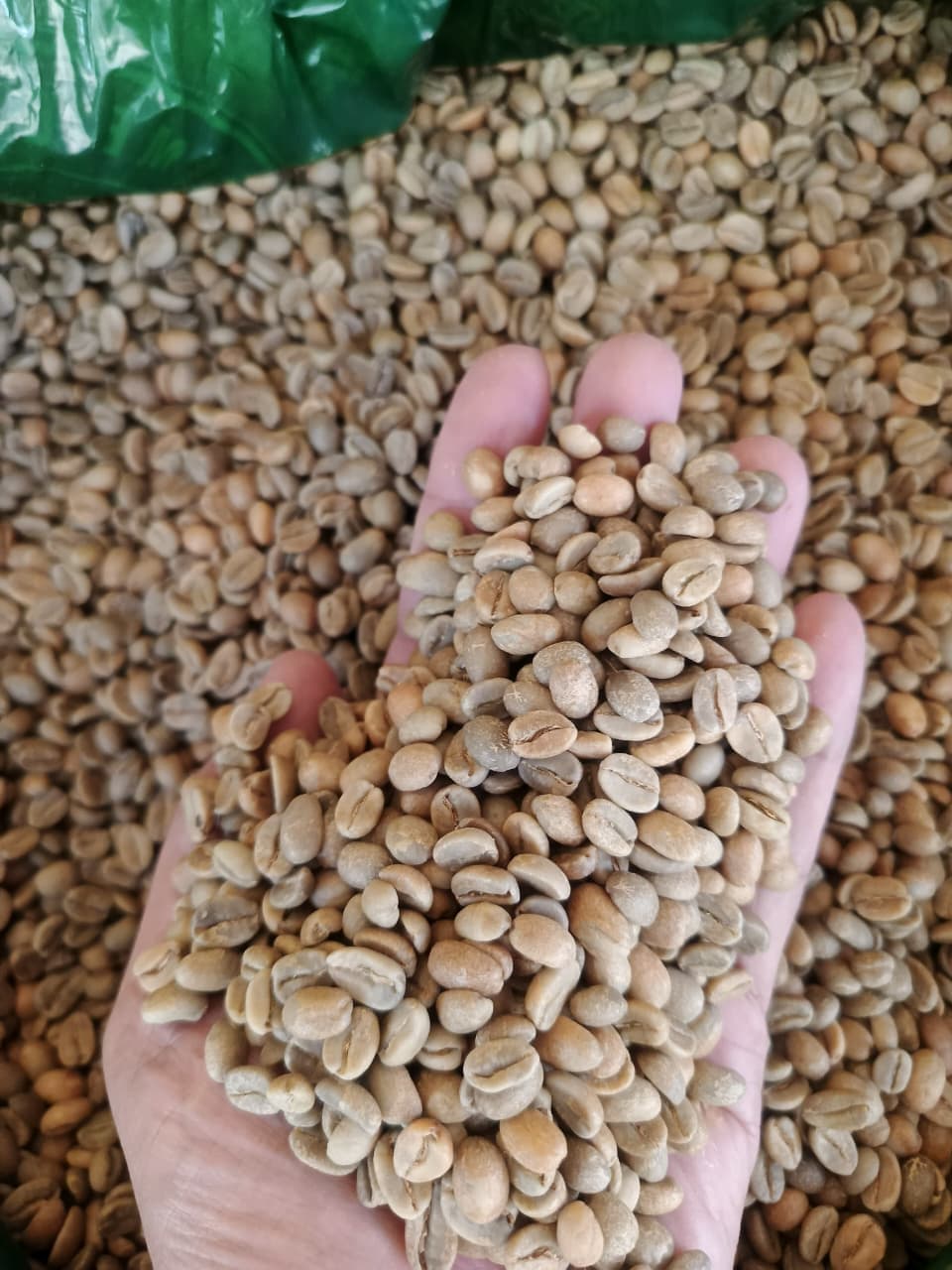
Green beans coffee refers to coffee beans that have not yet been roasted. In the coffee industry, green beans are the raw material that determines the final flavor, aroma, body, acidity, and consistency after roasting.
For roasters, understanding green beans is essential because the quality of raw coffee directly affects roasting results. For buyers, green beans information helps determine whether a coffee is worth purchasing, suitable for market needs, and reliable for business use.
Green beans are not only about price per kilogram. They involve many important factors, including origin, variety, processing method, moisture content, defect count, screen size, and lot consistency.
What Is Green Beans Coffee?
Green beans coffee is coffee that has been harvested, processed, dried, and hulled, but not yet roasted. The beans are usually green, bluish-green, yellowish-green, or pale yellow depending on origin, process, variety, and storage age.
Before coffee becomes ready to brew, green beans must go through the roasting process. During roasting, coffee beans change in color, aroma, structure, and flavor. This process transforms green beans into roasted coffee beans.
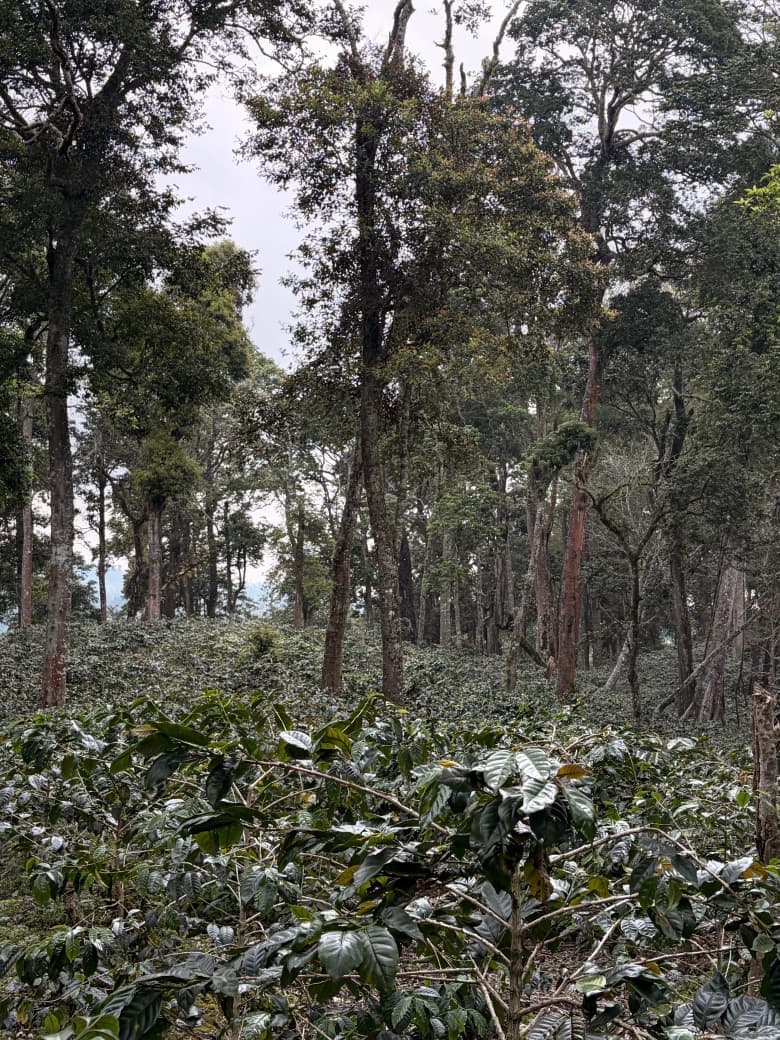
However, coffee quality does not begin with the roasting machine. It starts at the farm, during harvesting, post-harvest processing, drying, sorting, storage, and shipment.
Why Green Beans Matter in the Coffee Industry
Green beans are the foundation of the coffee value chain. A roaster may have a good roasting machine and strong roasting skills, but if the raw material is unstable, the final result will be difficult to keep consistent.
Green beans quality affects aroma, sweetness, body, acidity, aftertaste, and possible flavor defects such as excessive earthy notes, musty flavors, moldy notes, sourness, or phenolic characteristics.
For suppliers and exporters, green beans are also the main product that must be carefully managed. Buyers are not only buying coffee; they are buying trust in quality, data, and supply consistency.
Green Beans vs Roasted Beans
Green beans and roasted beans have different roles in the coffee industry. Green beans are raw materials usually purchased by roasters, exporters, traders, or manufacturers. Roasted beans are coffee beans that have already been roasted and are ready to be ground and brewed.
Green beans generally have a longer shelf life than roasted beans when stored properly. Roasted beans are more sensitive to oxidation because they have already gone through heat transformation and degassing after roasting.
From a business perspective, green beans are often traded in larger volumes, from kilograms to bags and tonnage. Roasted beans are usually sold to end consumers, coffee shops, resellers, or retail markets.
Key Factors That Determine Green Beans Quality
To evaluate green beans, buyers and roasters need to look at several important factors. These factors help determine whether the coffee is worth buying, suitable for roasting needs, and aligned with market standards.
Origin
Origin refers to where the coffee comes from. Examples include Aceh Gayo, Java Ijen, Toraja, Flores, Bali Kintamani, and Jember. Origin matters because each region has different soil, climate, altitude, and processing culture.
For buyers, origin is not only geographical information. It is also part of the product story and market positioning.
Variety
Variety refers to the type of coffee plant. In arabica, common varieties include Typica, Bourbon, Catimor, Caturra, and S795. In robusta, variety identification can be more diverse depending on the production region.
Variety can influence flavor characteristics, productivity, plant resilience, and quality potential.
Processing Method
Processing method refers to how coffee is handled after harvest. Common methods include natural, full washed, semi washed, honey, wine, and anaerobic processes.
Each process creates different characteristics. Natural process often produces fruitier flavors and heavier body. Full washed coffee is usually cleaner and brighter. Semi washed coffee often has stronger body. Anaerobic or wine processes may create more complex fermentation characteristics.
Moisture Content
Moisture content refers to the amount of water inside green beans. If moisture is too high, the coffee may be at greater risk of mold, unpleasant odor, and storage damage. If moisture is too low, the beans can become brittle and lose flavor potential.
In green beans trading, moisture content is one of the most important parameters for buyers and roasters.
Defect Count
Defect count refers to the number of physical defects in green beans. Defects can include black beans, broken beans, insect-damaged beans, moldy beans, foreign matter, or abnormal beans.
The lower the defect count, the better the physical quality of the coffee. However, evaluation should not stop at appearance. Coffee still needs to be cupped to understand its flavor quality.
Screen Size
Screen size refers to coffee bean size. More uniform sizing helps create more consistent roasting because beans with different sizes may absorb heat at different speeds.
For roasters, screen size is important for building roasting profiles and reducing the risk of uneven roasting.
What Should Roasters Check Before Buying Green Beans?
Before buying green beans, roasters should not only look at price. Several factors need to be checked to make purchasing safer and more suitable for product needs.
Origin and production area
Coffee variety
Processing method
Moisture content
Defect count
Screen size
Cupping notes
Harvest date or crop year
Storage condition
Stock availability
Lot consistency
Supplier’s ability to provide samples
Whenever possible, roasters should request samples before purchasing. Samples help roasters evaluate aroma, flavor, roasting behavior, and product potential before committing to larger volumes.
What Should Buyers Check Before Choosing a Supplier?
Buyers, especially those purchasing for business needs, need to evaluate more than the product itself. A good supplier should be able to provide clear information, professional communication, and consistent quality.
Important factors include supplier legality, ability to provide documents, communication speed, shipping experience, and transparency of product data.
In green beans trading, long-term relationships are often more valuable than one-time transactions. Therefore, buyers should choose suppliers that can build trust.
The Role of Cupping in Evaluating Green Beans
Cupping is a standardized process for evaluating coffee flavor. Through cupping, roasters and buyers can assess aroma, flavor, acidity, body, sweetness, aftertaste, balance, and possible flavor defects.
Green beans that look good physically may not always have the flavor profile required by the market. On the other hand, simple-looking coffee can have interesting flavor potential if processed well.
This is why cupping is an important step before making purchasing decisions, especially for specialty coffee or coffee that will be sold with a specific market positioning.
Common Mistakes When Buying Green Beans
One common mistake when buying green beans is focusing only on cheap prices. Price matters, but cheap coffee can become a risk if the quality is unstable, the defect level is high, or the product data is unclear.
Other mistakes include buying without samples, not checking moisture content, not asking about processing method, and not confirming supply capacity. For roastery or export businesses, these mistakes can affect final product quality.
Buyers should also be careful with overly general claims. Terms such as “premium coffee” or “best coffee” are not enough without supporting data.
Green Beans and the Opportunity for Indonesian Coffee
Indonesia has many coffee origins that are attractive for the green beans market. Aceh Gayo, Java Ijen, Toraja, Flores, Bali Kintamani, Sumatra Mandheling, and Jember each have their own characteristics and market potential.
Indonesia’s opportunity is not only in production volume, but also in flavor diversity and origin stories. With quality control, traceability, and clear communication, Indonesian green beans can have stronger value in the eyes of roasters and buyers.
For suppliers and exporters, building complete product information is an important step. Modern buyers need clear data before making purchasing decisions.
Conclusion
Green beans coffee refers to unroasted coffee beans and serves as the main raw material in the coffee industry. Green beans quality strongly determines the final roasting result, flavor, aroma, and product consistency.
For roasters, understanding green beans helps in selecting the right raw material. For buyers, green beans information helps evaluate quality, risk, and business opportunity.
In modern coffee trading, green beans should not be sold only based on price. Origin, processing method, moisture content, defect count, screen size, cupping notes, and traceability are key factors that must be considered.
Data Sources
Specialty Coffee Association, Green Coffee Standards.
International Coffee Organization, coffee market and trade references.
Industry references related to quality control, cupping, and green beans trading.

Author
Khoirul Anam
Coffee Market Analyst
Fokus pada harga komoditas, tren roaster, dan permintaan specialty coffee lintas negara.