Coffee Moisture Content: Ideal Standards for Quality Green Beans
Coffee moisture content refers to the water level in green beans. Learn the ideal range, quality risks, and why it matters for roasters and buyers.
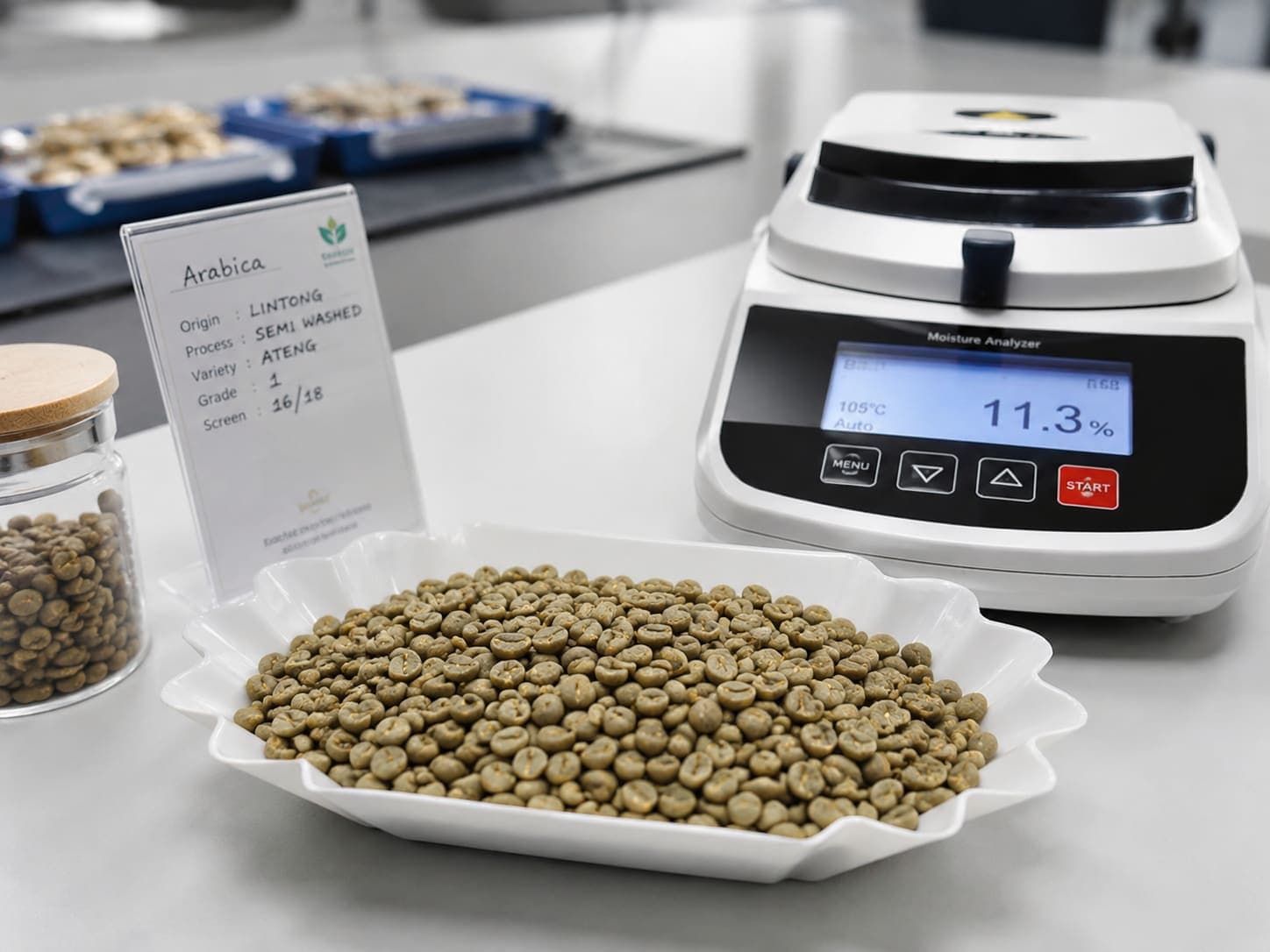
Coffee moisture content is one of the most important parameters in evaluating green beans quality. In coffee trading, moisture level affects not only bean weight, but also storage stability, mold risk, roasting consistency, and buyer trust.
For roasters, moisture content helps predict how green beans will absorb heat during roasting. For buyers and suppliers, moisture level is an early indicator of whether coffee has been dried, stored, and processed properly.
Therefore, moisture content is not a minor technical detail. In the green beans business, moisture level can determine whether a lot is worth buying, needs further testing, or carries storage and shipment risks.
What Is Coffee Moisture Content?
Coffee moisture content refers to the amount of water inside green beans. This value is usually expressed as a percentage, such as 10%, 11%, or 12%.
Green beans that have been processed and dried need to reach a stable moisture level before storage or shipment. If the moisture content is too high, coffee may be at risk of mold growth, unpleasant odor, and quality degradation. If it is too low, the beans can become brittle and lose some flavor potential.
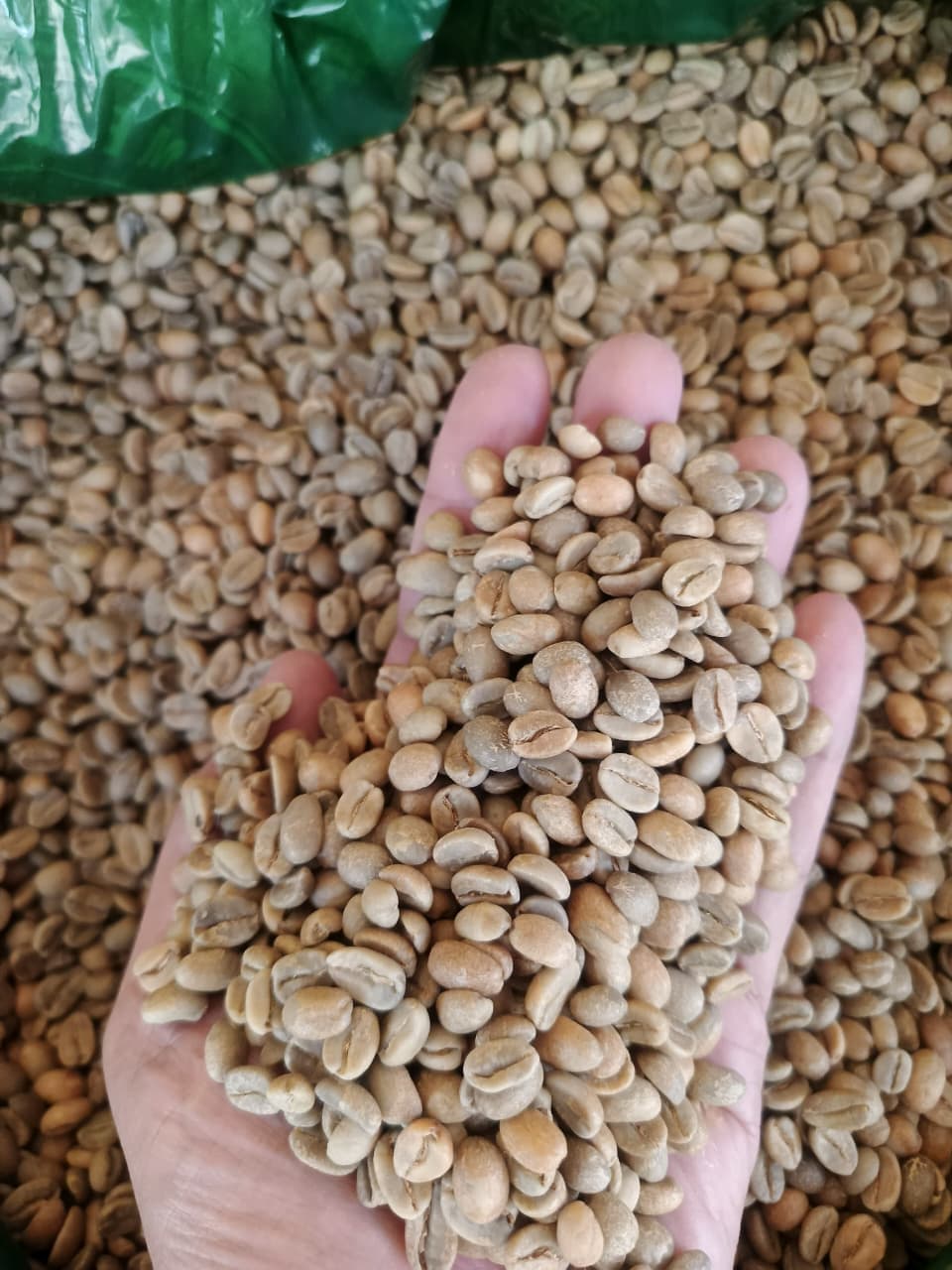
Moisture content is not the same as being “dry on the outside.” Coffee beans may look dry visually while still having unstable internal moisture. This is why using a coffee moisture meter is more accurate than judging by appearance or touch.
What Is the Ideal Moisture Content for Green Beans?
In green coffee trading, the commonly accepted moisture content range is around 10–12%. This range is widely used because it is considered safer for storage, shipment, and roasting.
The Specialty Coffee Association provides standards and technical references for green coffee that are important in the specialty coffee industry. Beyond moisture content, the industry is also paying more attention to water activity because it helps evaluate the stability of free water inside the bean.
Several industry references note that moisture levels above around 12–13% may increase the risk of quality damage, while moisture that is too low can make beans more brittle and accelerate flavor degradation.
For buyers and roasters, the ideal number should not be evaluated in isolation. Moisture content should be read together with water activity, storage condition, crop year, processing method, and cupping results.
Why Moisture Content Matters for Roasters
Roasters need stable green beans to achieve consistent roasting results. Moisture content affects how beans absorb heat, how they develop during roasting, and how they respond to a roasting profile.
If moisture content is too high, roasting can become harder to control. Beans need more energy to evaporate water before key chemical reactions develop. This may make roasting slower, less even, or less clean in flavor.
If moisture content is too low, beans may become more brittle and react too quickly to heat. The risk of flat, baked, or less complex flavor can increase.
This is why roasters should not only look at origin and processing method. Moisture content helps roasters understand the physical condition of green beans before building a roast profile.
The Risk of High Moisture Content in Green Beans
High moisture content can become a serious problem. Green beans with excessive moisture are more vulnerable to mold growth, uncontrolled fermentation, musty odor, and quality loss during storage.
In long-distance shipment, especially export, this risk becomes greater. Green beans can change condition due to temperature, humidity, travel duration, and packaging quality.
High moisture can also affect cupping results. Coffee may taste less clean and show musty, moldy, overly earthy, or stale characteristics.
For buyers, high moisture means risk. Such lots need to be checked carefully and should not be considered safe only because the physical appearance looks acceptable.
The Risk of Moisture Content Being Too Low
Moisture content that is too low is not always a good thing. Coffee beans that are too dry can become brittle, break easily, and lose some aromatic potential.
During roasting, overly dry green beans may react too quickly to heat. Roasters may need to adjust their profiles to avoid flat flavors or loss of complexity.
Coffee that is too dry may also show signs of faster aging. The cup can taste hollow, less sweet, or less expressive of its origin.
Therefore, the goal is not simply “the lower the better.” What matters is stable moisture that supports proper storage, shipment, and roasting.
Moisture Content vs Water Activity: What Is the Difference?
Moisture content and water activity are often discussed together, but they are not the same. Moisture content shows the total amount of water inside the coffee bean, while water activity indicates how active or available that water is for chemical reactions and microbial growth.
Two coffees can have the same moisture content but different water activity. This means one coffee can be more stable than the other even when the moisture percentage looks similar.
In the modern green coffee industry, water activity is receiving more attention because it helps predict storage stability. Coffee with high water activity can be more prone to quality degradation even if its moisture content appears acceptable.
For buyers and suppliers, combining moisture content and water activity provides a more complete picture of green beans quality.
How to Measure Coffee Moisture Content
The most practical way to measure moisture content is by using a coffee moisture meter. This tool helps read the water level inside green beans more quickly and consistently.
In quality control practice, green beans samples should be taken from different parts of a lot to make the result more representative. If samples are taken from only one spot, the result may not reflect the real condition of the entire bag or lot.
Beyond the tool itself, consistent procedure is also important. Samples should be clean, the device should be calibrated, and measurement should ideally be done in stable environmental conditions.
For business transactions, moisture content should be recorded in product specifications or quality reports so buyers have clear data.
Factors That Affect Green Beans Moisture Content
Moisture content does not stand alone. Many factors can affect the water level of green beans from harvest to shipment.
Cherry ripeness at harvest
Processing method
Drying duration and drying method
Weather during drying
Layer thickness during drying
Sorting quality
Storage duration
Packaging type
Warehouse condition
Humidity during shipment
Because many factors are involved, suppliers need a strong quality control system. Green beans that have been dried properly can still change in quality if storage and packaging are not handled correctly.
What Should Buyers Check Before Purchasing Green Beans?
Buyers should not only ask about price and origin. To evaluate green beans more safely, moisture content should be one of the main data points requested from suppliers.
Additional information is also important to make the assessment more complete.
Moisture content
Water activity if available
Origin
Variety
Processing method
Defect count
Screen size
Cupping notes
Crop year
Packaging
Storage condition
Supply capacity
With this data, buyers can evaluate whether the coffee is suitable for roasting, storage, or distribution. Complete data also helps reduce the risk of poor purchasing decisions.
The Role of Suppliers in Maintaining Moisture Content
Suppliers play a major role in keeping moisture content stable. This process begins with even drying, proper sorting, correct storage, and suitable packaging.
A professional supplier does not only sell coffee but also maintains quality data. When a supplier can provide moisture content, defect count, screen size, and cupping notes, buyers can build trust more easily.
In the green beans market, trust is built through consistency. If each lot has clear data and stable quality, the opportunity for long-term cooperation becomes stronger.
Moisture Content in Coffee Export
In coffee export, moisture content becomes even more important because green beans must go through a longer shipment process. Temperature changes, humidity, and travel duration can affect bean stability.
Coffee with unstable moisture is more at risk of damage during transit. This is why exporters need to make sure coffee is in safe condition before shipment.
For international buyers, moisture content data helps evaluate risk. Suppliers or exporters that can provide this data appear more professional than those who only offer price and origin.
Common Mistakes in Evaluating Moisture Content
One common mistake is assuming that coffee that looks dry is automatically safe. Visual appearance does not always reflect internal moisture condition.
Another mistake is assuming that lower moisture is always better. Green beans that are too dry can also reduce flavor quality and make the beans more brittle.
Buyers should also avoid relying only on verbal claims. For larger transactions, moisture content data should be supported by clear and consistent measurement.
Conclusion
Coffee moisture content is an important parameter in evaluating green beans quality. The right moisture level helps maintain storage stability, roasting consistency, and buyer trust.
A range of around 10–12% is commonly used as a reference in green beans trading. However, moisture content should not be evaluated alone. Other parameters such as water activity, defect count, screen size, processing method, and cupping results should also be considered.
For roasters, moisture content helps understand the physical condition of beans before roasting. For buyers and exporters, this data helps reduce purchasing risk and improve professionalism in coffee trading.
Data Sources
Specialty Coffee Association, Coffee Standards.
Green coffee industry references related to moisture content and water activity.
International Coffee Organization, global coffee trade references.

Author
Khoirul Anam
Coffee Market Analyst
Fokus pada harga komoditas, tren roaster, dan permintaan specialty coffee lintas negara.