Coffee Defect Count: How to Read Green Beans Quality
Coffee defect count measures physical defects in green beans. Learn common defect types, quality risks, and how buyers evaluate green coffee.
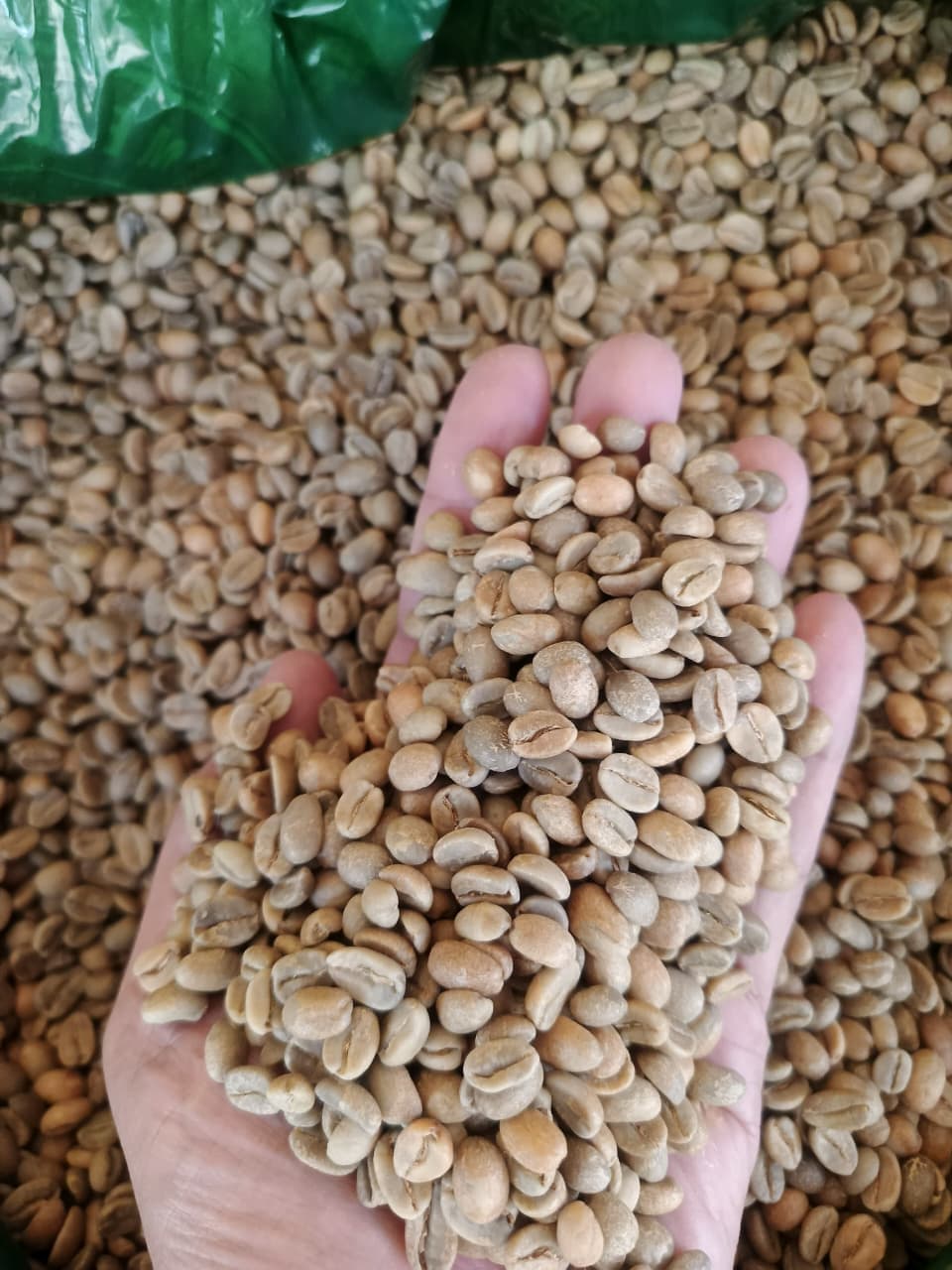
Defect count is one of the key parameters in evaluating green beans quality. In coffee trading, defect count refers to the number of physical defects found in unroasted coffee beans that may affect quality, roasting results, and final cup flavor.
For roasters, defect count helps estimate risks during roasting and cupping. For buyers, defect count data helps determine whether a lot is worth purchasing, needs additional sorting, or carries a quality risk that is too high.
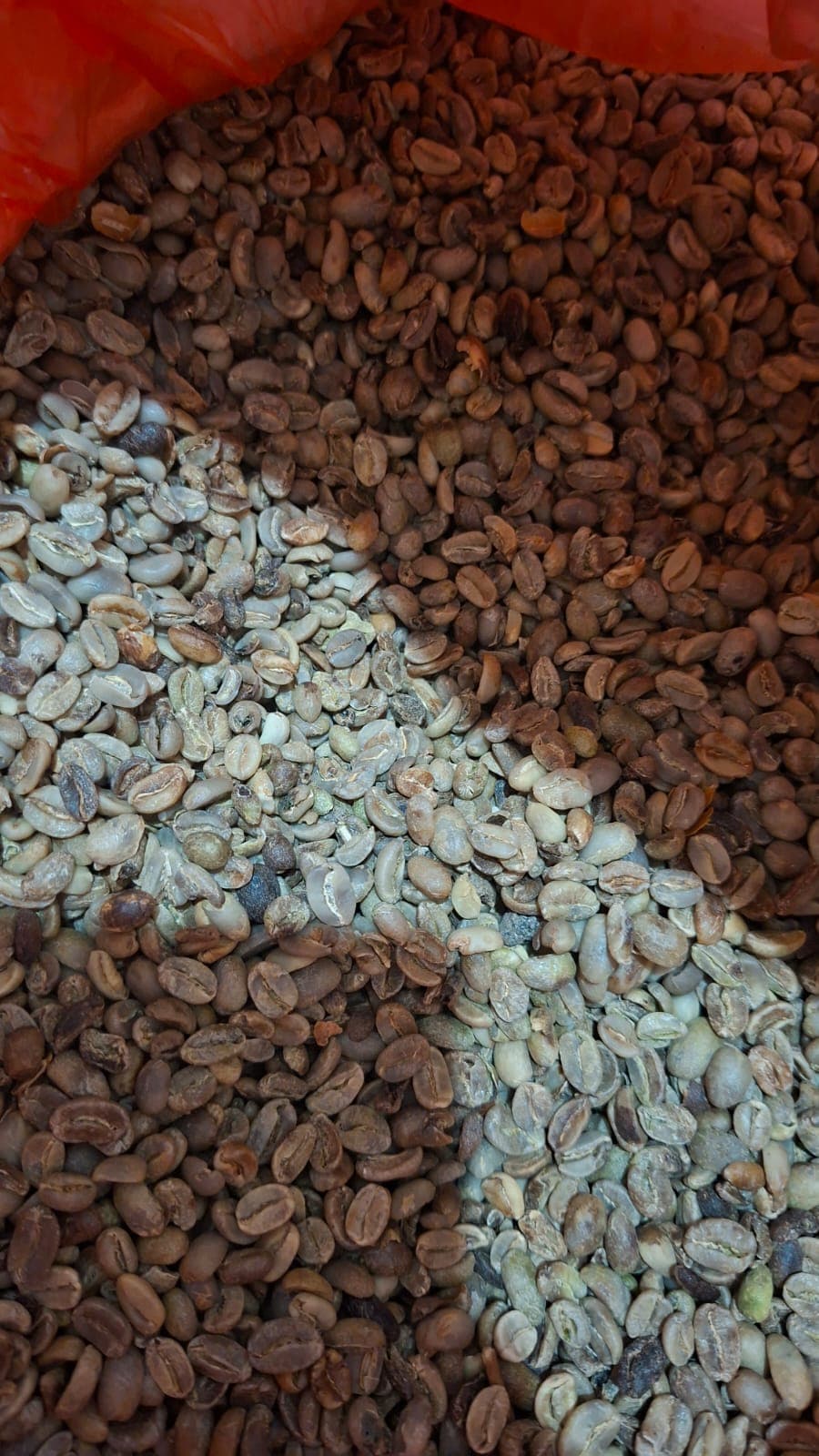
In the green beans industry, quality cannot be judged only by origin, process, or price. Coffee beans also need to be evaluated physically: whether there are black beans, sour beans, broken beans, insect-damaged beans, fungus damage, foreign matter, or other defects that can reduce quality.
What Is Coffee Defect Count?
Coffee defect count is the process of identifying and counting physical defects in green beans. These defects can come from farming, harvesting, post-harvest processing, drying, sorting, storage, or shipment.
In quality control practice, a green beans sample is usually taken from a lot and inspected to identify defect types and quantities. The defects are then classified based on severity.
Not all defects have the same impact. Some defects are considered serious because they may significantly affect flavor, safety, or perceived coffee quality. Others are lighter individually, but still matter because they can reduce lot quality when present in large numbers.
Why Defect Count Matters for Green Beans
Defect count matters because green beans are the foundation of coffee quality. If there are too many defects, roasting results can become inconsistent and the final cup may be affected.
Before evaluating defect count, buyers also need to understand what green beans coffee is and how it functions as the main raw material in the coffee industry.
Some defects can create unclean flavors, musty notes, unpleasant acidity, woody notes, excessive earthy character, bitterness, or unwanted fermentation flavors. Defects can also make roasting less even because bean size, density, and physical condition may vary.
For buyers, defect count is a tool for measuring risk. A lot with low defect count is usually easier to accept because its physical quality is more controlled. A lot with high defect count needs closer evaluation, especially if it will be used for specialty coffee, export, or premium-positioned products.
Primary Defects and Secondary Defects
In green beans evaluation, defects are often divided into two major groups: primary defects and secondary defects. This classification helps buyers and roasters understand the severity of physical defects.
Primary defects are considered more serious. They may have a stronger impact on flavor quality, safety, or overall coffee perception. Examples include full black beans, full sour beans, fungus damage, foreign matter, dried cherry or pod, and severe insect damage.
Secondary defects are generally considered less severe individually, but they still matter when present in large quantities. Examples include partial black beans, partial sour beans, broken or chipped beans, immature beans, withered beans, shells, parchment, floaters, or lighter insect damage.
In green coffee standards, defects are not always counted as one bean equals one full defect. Some lighter defects are counted through equivalence, where several defective beans may equal one full defect.
Common Defects Found in Green Beans
Many types of defects can be found in green beans. Each defect has different causes and potential effects on roasting and cup quality.
Black Bean
Black bean is a coffee bean that appears black or very dark. This defect may occur due to overripe cherries, excessive fermentation, poor drying, or storage problems.
Black beans can contribute burnt, ashy, overly earthy, or unclean flavors during cupping. Because of its impact, black bean is a defect that needs serious attention.
Sour Bean
Sour bean is usually yellowish-brown or reddish in color due to uncontrolled fermentation. This defect may appear when coffee cherries are processed too late, drying is delayed, or sanitation is poor.
Sour beans can create unpleasant acidity, vinegary notes, or unclean fermentation characteristics.
Fungus Damage
Fungus damage is a defect caused by mold growth on green beans. It can happen when moisture content is too high, storage is humid, or drying is incomplete.
Fungus damage is risky because it may create musty, moldy, and unacceptable flavors. In green beans trading, mold-related defects are strong indicators of quality risk.
Broken or Chipped Beans
Broken or chipped beans are beans that are cracked, split, or cut. This defect can happen during hulling, sorting, transportation, or rough handling.
Broken beans can react faster during roasting. As a result, the roast may become less even and may produce bitter or flat flavors.
Immature Beans
Immature beans come from coffee cherries that were not fully ripe at harvest. This defect usually appears when harvesting is not selective.
Immature beans can create grassy, vegetal, astringent, or less sweet cup characteristics. For specialty or premium coffee, this defect should be reduced through selective picking and proper sorting.
Insect Damage
Insect damage refers to beans damaged by insects. A common sign is small holes on the green beans.
If the damage is light, the impact may not always dominate. However, if the damage is severe or present in high quantities, it can affect density, roasting behavior, and flavor potential.
Foreign Matter
Foreign matter refers to non-coffee materials mixed into green beans, such as stones, wood, husk, small metal pieces, or other materials.
This defect does not only reduce quality, but can also damage roasting machines and production equipment. This is why foreign matter must be removed through proper sorting.
How Is Defect Count Calculated?
Defect count is usually done by taking a sample of green beans from a lot and manually inspecting the beans according to defect categories. Depending on the method used, the sample size may be 300 grams or 350 grams.
After defects are identified, each defect is counted based on severity. Primary defects usually carry more weight than secondary defects. Some lighter defects require several beans to be counted as one full defect.
Because calculation methods can vary across standards, buyers and suppliers should agree on the reference used from the beginning. The most important factors are method consistency, data transparency, and clear documentation.
Defect Standards for Specialty Coffee
In specialty coffee, defect standards are especially important. Some green coffee grading references state that specialty grade coffee should not contain primary defects and should only allow a very limited number of defects in a specific sample size.
One grading reference states that specialty grade allows a maximum of 5 full defects in a 300-gram sample and does not allow primary defects. Other specialty coffee references also commonly mention 0 to 5 defects in a 350-gram sample.
These differences show why buyers and suppliers need to be clear from the start: which standard is being used, what sample size is applied, and how defects are counted. In professional transactions, these details should not be assumed.
How Defect Count Affects Coffee Flavor
Defect count does not only affect the physical appearance of green beans. Defects can also influence the final flavor after roasting and brewing.
Black beans may bring ashy or burnt flavors. Sour beans may create unpleasant acidity. Fungus damage can produce musty or moldy notes. Immature beans may create grassy or astringent flavors. Broken beans can make roasting less even.
This is why defect count should be combined with cupping. Green beans that look good still need to be tasted, while defects that look small visually may have a significant impact if they appear in high numbers or serious categories.
The Relationship Between Defect Count and Moisture Content
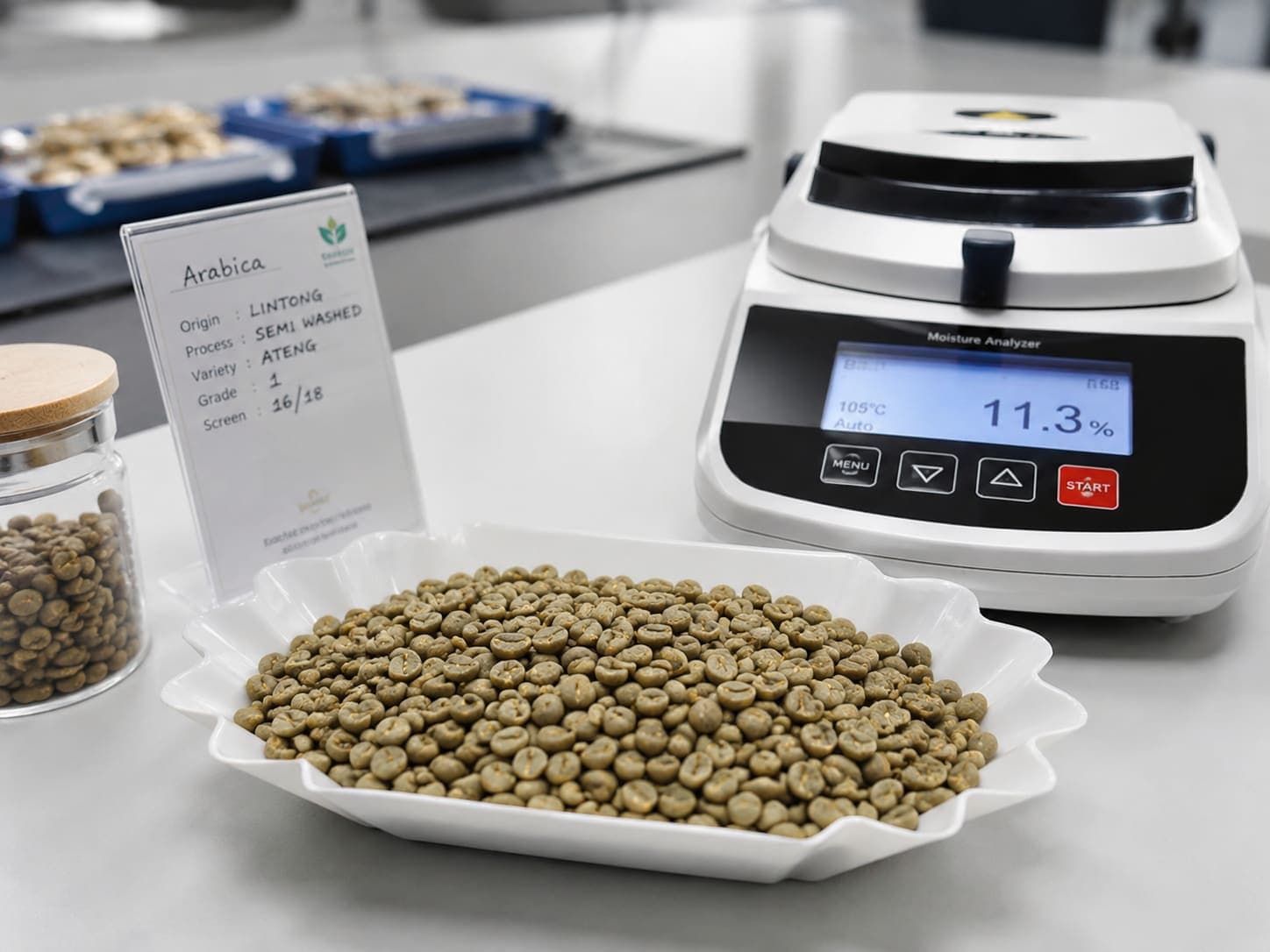
Defect count is also connected to moisture content. Green beans with unstable moisture levels have a higher risk of mold, musty odor, or damage during storage.
High moisture content can increase the risk of fungus damage, while uneven drying can make lot quality inconsistent. This is why buyers should not only look at defect count, but also request moisture content data.
In green beans quality control, defect count, moisture content, screen size, and cupping notes should be evaluated together.
What Should Buyers Check Before Purchasing Green Beans?
Buyers should request defect count data before purchasing green beans, especially when buying in larger volumes. This data helps buyers understand quality risks and possible additional sorting needs.
In addition to defect count, buyers should also request other information for a more complete evaluation.
Origin
Processing method
Moisture content
Water activity if available
Defect count
Screen size
Cupping notes
Crop year
Green beans sample
Lot photos or QC documentation
Supply capacity
Packaging condition
With this data, buyers can make safer purchasing decisions. Suppliers that can provide complete data usually appear more professional and easier to trust.
The Role of Suppliers in Managing Defect Count
Suppliers play an important role in keeping defect count low. This process starts with selective harvesting, clean processing, even drying, careful sorting, and proper storage.
A professional supplier does not only sell coffee, but also maintains quality consistency. When a supplier can provide clear defect count data, buyers can evaluate the product more easily.
In the green beans market, trust is built through data and consistency. If each lot has well-documented quality information, the opportunity for long-term cooperation becomes stronger.
Common Mistakes in Reading Defect Count
One common mistake is assuming that all defects have the same impact. In reality, primary defects and secondary defects have different levels of risk.
Another mistake is only looking at the total number of defects without understanding the defect types. Two lots may have a similar defect count, but their risk can be different if the defect categories are not the same.
Buyers should also be careful with claims such as “low defect” without sample data, photos, or QC reports. In professional transactions, data should be clear and verifiable.
Conclusion
Defect count is an important parameter in evaluating green beans quality. By reading defect count, buyers and roasters can understand physical risks, possible flavor problems, and additional sorting needs.
Primary defects such as black beans, sour beans, fungus damage, and foreign matter require serious attention because they can strongly affect quality. Secondary defects also matter because large quantities can reduce lot quality.
In modern green beans trading, defect count should not be evaluated alone. Other parameters such as moisture content, screen size, cupping notes, processing method, and traceability should also be considered for more accurate purchasing decisions.
Data Sources
Specialty Coffee Association, Green Coffee Classification and Coffee Standards.
FAO, Green Coffee Classification and Grading.
International Coffee Organization, specialty coffee definition and quality standards references.
Industry references related to green coffee defects, cupping, and quality control.

Author
Khoirul Anam
Coffee Market Analyst
Fokus pada harga komoditas, tren roaster, dan permintaan specialty coffee lintas negara.