How to Export Coffee from Indonesia: A Beginner’s Guide
Learn how to export coffee from Indonesia, including legality, documents, quality standards, samples, buyers, Incoterms, and shipment basics.
Exporting coffee from Indonesia is a major opportunity for coffee businesses, especially because Indonesia has many origins known in the global market. Aceh Gayo, Java Ijen, Toraja, Flores, Bali Kintamani, Sumatra Mandheling, and many local origins offer unique characteristics for international roasters and buyers.
However, coffee export is not only about having products and potential buyers. There are many important aspects to understand, including business legality, export documents, green beans quality standards, samples, price negotiation, Incoterms, payment terms, and shipment.
For beginners, the export process may look complicated. But if it is understood step by step, coffee export can be started in a more structured way and risks can be reduced.
What Is Coffee Export?
Coffee export is the activity of selling and shipping coffee from Indonesia to another country. The exported product can be green beans, roasted beans, ground coffee, or other coffee-based products.
For the green beans business, export usually involves suppliers, exporters, buyers, freight forwarders, customs brokers, port-related parties, banks, and document-issuing institutions. Each party has a different role in making sure the goods can be shipped correctly.
Coffee export is not only about sending goods overseas. It also involves document compliance, quality standards, food safety, traceability, and trade agreements between seller and buyer.
Why Indonesian Coffee Is Attractive for Export Markets
Indonesian coffee is attractive because it has diverse origins and a wide range of flavor profiles. Each producing region has different soil, climate, altitude, variety, and post-harvest practices.
For international buyers, Indonesia can offer many options: arabica with clean, fruity, floral, bright, or complex characteristics; and robusta with strong body suitable for espresso blends, milk-based coffee, and industrial needs.
Beyond flavor, Indonesia also has strong origin stories. Many buyers and roasters increasingly pay attention to coffee origin, farmer stories, post-harvest process, and quality consistency.
This is why Indonesia’s coffee export opportunity is not only about volume, but also about the ability to build quality, product data, and buyer trust.
What Coffee Products Can Be Exported?
Several types of coffee products can be exported from Indonesia. However, each product may have different documentation, standards, and target markets.
Green beans coffee
Roasted coffee beans
Ground coffee
Coffee extract
Specialty coffee lot
Commercial coffee lot
Single origin coffee
Coffee samples for buyers
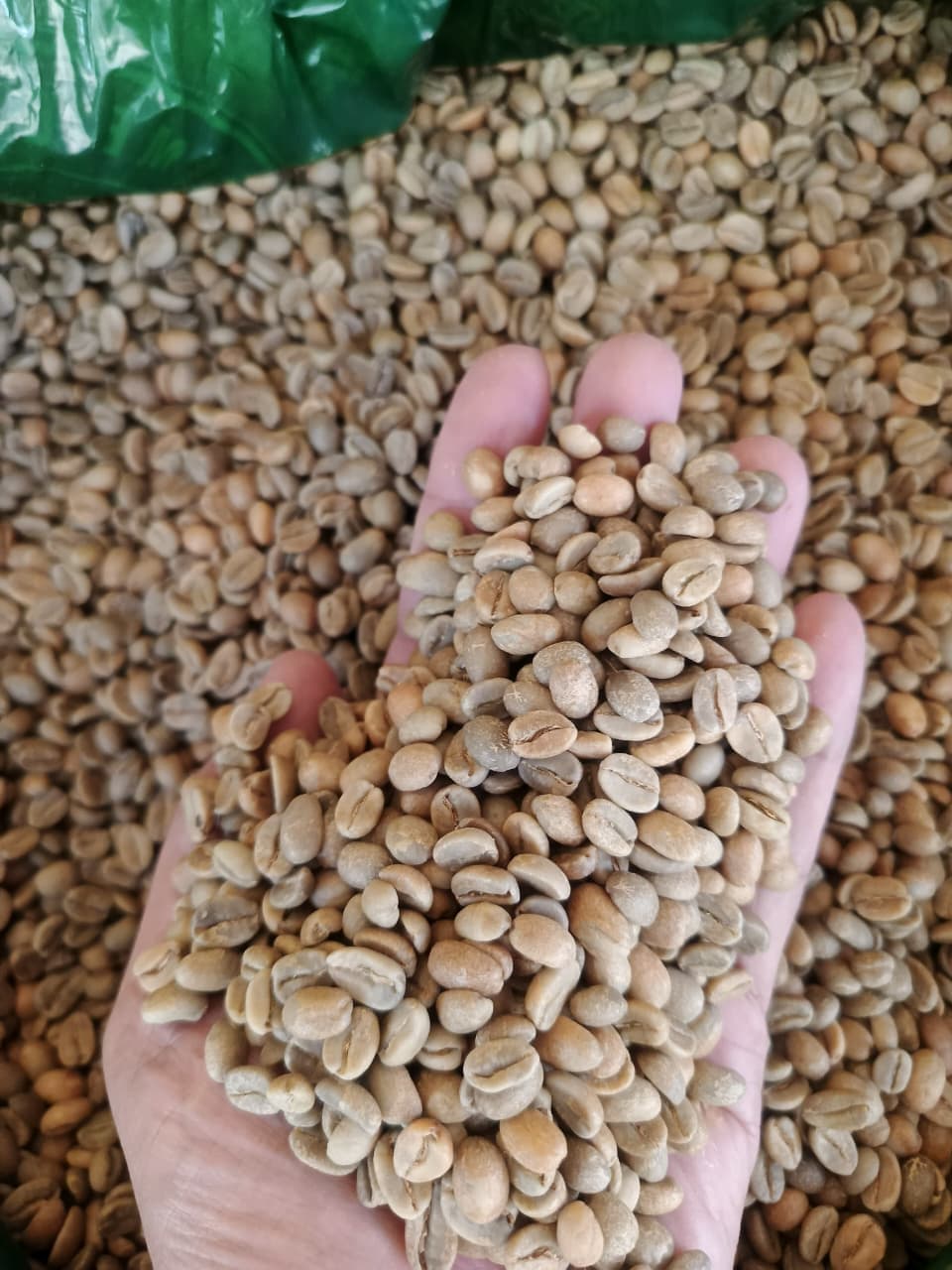
Green beans are usually one of the main products in global coffee trade because buyers or roasters want to roast the coffee themselves based on their market needs.
For beginners, green beans are often the main focus because this product is closely connected to the supply chain from farmers, processors, suppliers, and exporters.
Basic Legality to Prepare
Before exporting, businesses need to prepare basic legality. Legal documents are important to make the company look professional and to process export documents properly.
Some basic requirements commonly needed include:
Business Identification Number or NIB
Company or business tax number
Company deed if operating as PT or CV
Business bank account
Access or ability to process export documents
Clear company data
Valid business address
Official company contact
Company profile
For certain export needs, businesses also need to confirm whether the commodity requires additional permits, registration, or specific documents based on the latest regulations.
Because regulations can change, beginner exporters should always check the latest requirements through official institutions, freight forwarders, customs brokers, or export consultants familiar with coffee commodities.
Common Documents in Coffee Export
Documents are an important part of coffee export. Document errors can cause delays, additional costs, or problems when goods arrive in the destination country.
Common documents used in coffee export include:
Commercial Invoice
Packing List
Bill of Lading or Air Waybill
Certificate of Origin
Phytosanitary Certificate if required
Export Declaration or customs document
Sales Contract or Purchase Order
Insurance Certificate if insurance is used
Fumigation Certificate if requested by buyer or destination country
Quality Certificate or Certificate of Analysis if available
For coffee export, Certificate of Origin can be an important document. In coffee export provisions, origin documents and related forms may be required for trade and export compliance.
As an agricultural product, coffee may also require a phytosanitary certificate, especially if the destination country requires plant health inspection and pest-free certification.
Understanding Coffee HS Code
HS Code is a goods classification code used in international trade. It is used for customs, tariffs, trade statistics, and product classification.
For coffee, the general classification falls under HS 0901. Green coffee beans that are not roasted and not decaffeinated are generally categorized under HS 090111.
However, detailed HS Codes can vary depending on the product form, whether it is green beans, roasted beans, decaffeinated coffee, ground coffee, or processed coffee products. Exporters need to confirm the correct HS Code before shipment.
Using the wrong HS Code can cause document issues, tariff differences, or customs corrections. For beginners, it is better to validate HS Code with a customs broker, freight forwarder, or official customs reference.
Green Beans Quality Standards for Export
International buyers usually do not only ask about price. They also want to understand green beans quality in detail. Quality data helps buyers evaluate whether the coffee fits their roasting needs, market, and purchasing standards.
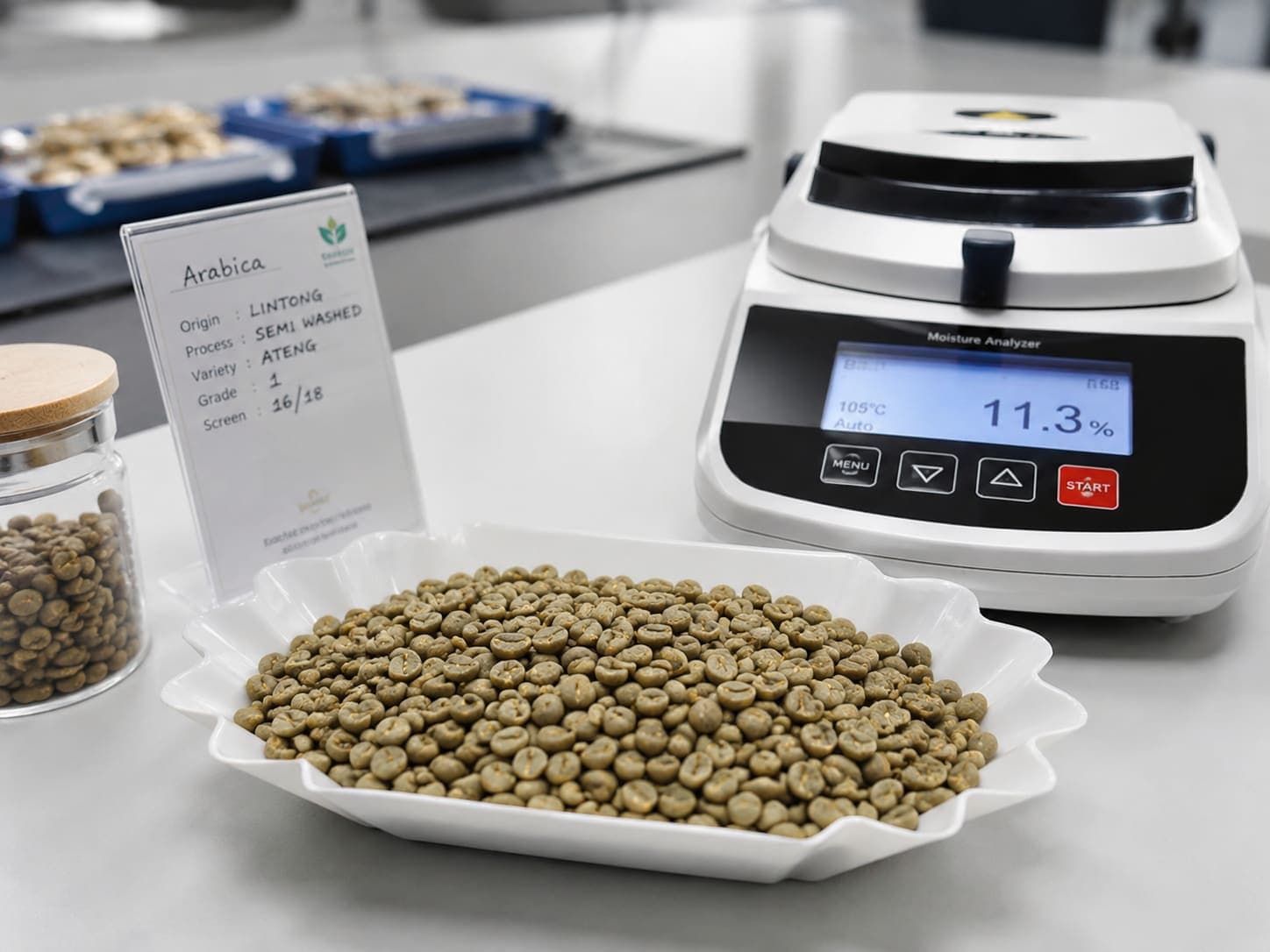
Important quality data includes:
Origin
Variety
Altitude
Processing method
Moisture content
Defect count
Screen size
Cupping notes
Crop year
Lot number
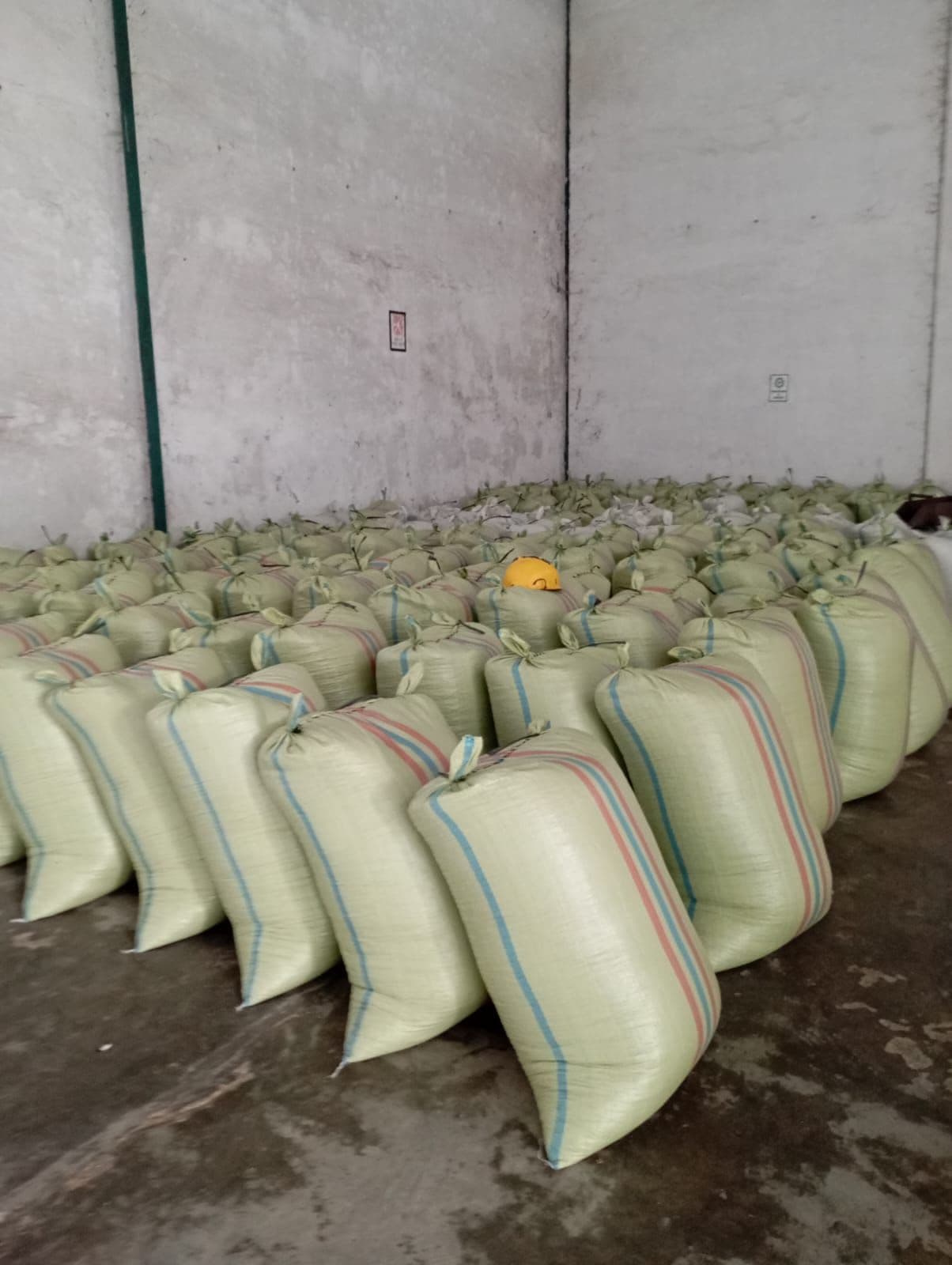
Packaging
Supply capacity
Traceability
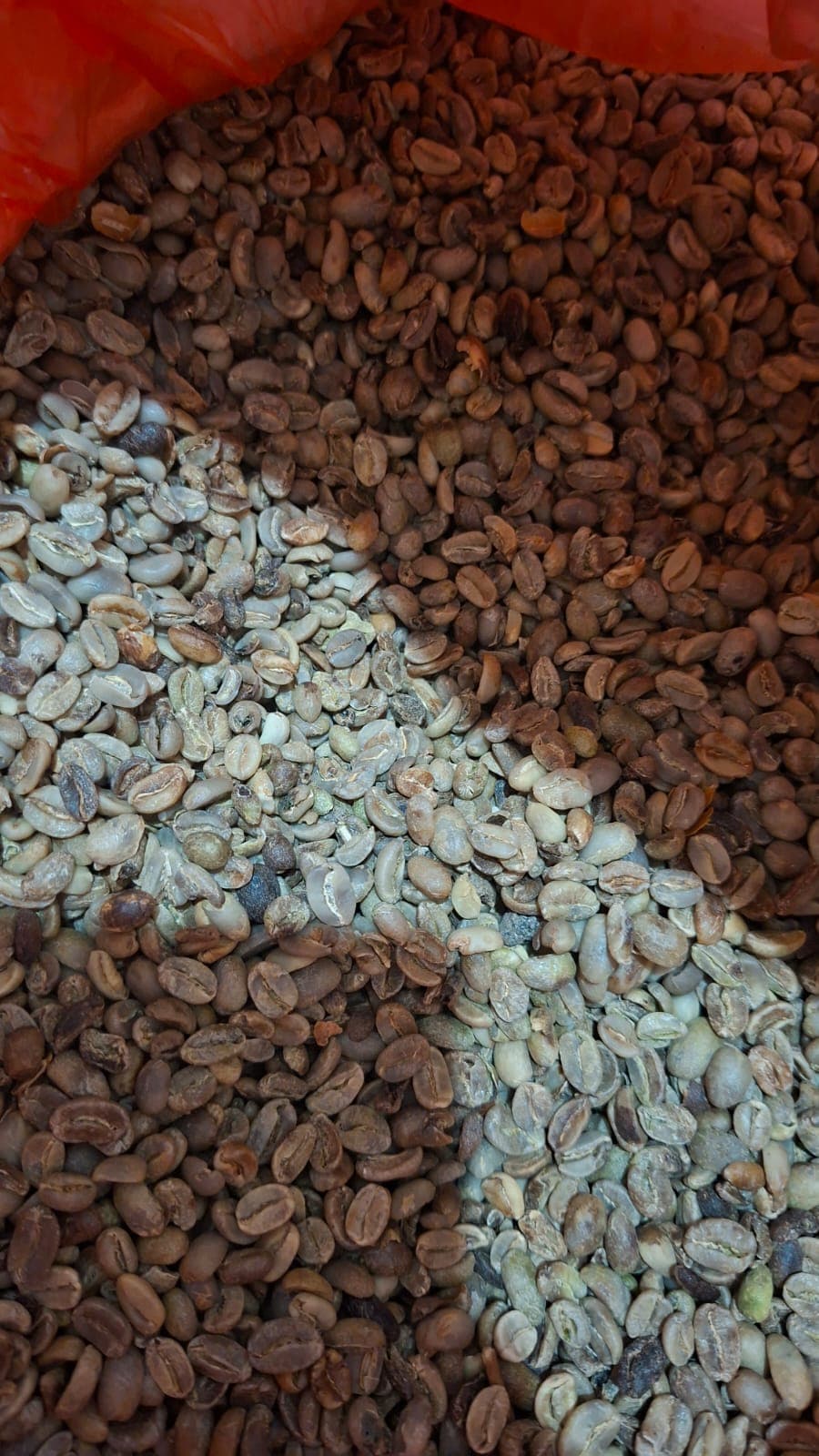
Moisture content and defect count are two important parameters. Unstable moisture levels can increase the risk of damage during shipment, while too many defects can affect roasting results and final cup quality.
Before offering coffee to international buyers, suppliers or exporters need to make sure product data is clear and reliable.
Coffee Samples for International Buyers
Before buying in larger volumes, buyers usually request samples. Samples help buyers evaluate aroma, flavor, defects, roasting behavior, and market potential.
Samples can be sent in small sizes, such as 100 grams, 200 grams, 500 grams, or 1 kilogram, depending on buyer request. However, sample shipment still needs to follow destination country rules and courier requirements.
A good sample should include product information such as origin, process, moisture content, defect count, screen size, and cupping notes if available.
Do not send samples that are very different from the actual stock. If the sample is good but the main shipment is different, buyer trust can decrease.
How to Set Coffee Export Prices
Export pricing cannot be based only on the purchase price from suppliers. There are many additional costs that must be calculated to keep margins safe.
Cost components to consider include:
Coffee purchase price from supplier
Sorting cost
Packaging cost
Warehouse cost
Document cost
Local transportation cost
Freight cost
Fumigation cost if applicable
Insurance cost if used
Bank fees
Sample cost
Currency exchange rate
Profit margin
Sales commission if any
Exporters need to calculate prices carefully. A transaction may look large, but net margin can become too small or even negative if costs are not calculated from the beginning.
Understanding Incoterms: FOB, CIF, and CNF
In export trade, Incoterms are used to define the responsibilities of sellers and buyers. Some terms often used in coffee trading are FOB, CIF, and CNF.
FOB, or Free on Board, means the seller is responsible until the goods are loaded onto the vessel at the port of departure. After that, the main risk and cost usually transfer to the buyer.
CIF, or Cost, Insurance, and Freight, means the seller covers the cost of goods, freight, and insurance to the destination port based on the agreement.
CNF, or Cost and Freight, means the seller covers the cost of goods and freight to the destination port, but insurance is usually not included.
Beginners must understand Incoterms before giving a quotation. Misunderstanding Incoterms can lead to incorrect cost calculations and responsibility issues.
Payment Methods in Coffee Export
Payment is a very important part of export. Because cross-border transactions carry risk, exporters must be careful before shipping goods.
Common payment methods include:
T/T or Telegraphic Transfer
Down payment and balance payment before shipment
Letter of Credit
CAD or Cash Against Documents
Open Account for highly trusted buyers
For beginners, a safer method is usually down payment followed by balance payment before documents or goods are released. Letter of Credit can also be used, but it requires stronger understanding of documents and usually involves banks.
Avoid shipping goods without clear payment terms, especially when the buyer does not yet have a strong transaction history.
Choosing a Freight Forwarder and Customs Broker
Freight forwarders and customs brokers can make the export process easier, especially for beginners. They can help with shipment, documents, customs clearance, and logistics coordination.
When choosing a forwarder or customs broker, consider:
Experience handling coffee commodities
Ability to explain documents
Transparent cost structure
Responsive communication
Port or shipment network
Experience exporting to the destination country
Ability to provide freight estimates
Reputation and legality
A good forwarder does not only offer a cheap price, but also helps reduce the risk of errors during shipment.
Common Risks in Coffee Export
Coffee export offers major opportunities, but it also has risks. Beginners need to understand these risks before making business decisions.
Common risks include:
Buyer does not pay on time
Incomplete documents
Product quality does not match sample
Shipment delays
Currency exchange fluctuation
Freight cost increase
Goods damaged during shipment
Different standards in destination country
Communication problems with buyer
Incoterms misunderstanding
These risks can be reduced through clear contracts, complete product data, written communication, quality inspection, safer payment methods, and working with experienced logistics partners.
First Steps for Beginners
If you are just starting coffee export, do not rush into large transactions. Start with a clean foundation.
Initial steps include:
Prepare business legality
Build a company profile
Define main products
Prepare green beans quality data
Create a digital catalog
Prepare samples
Learn export documents
Find a freight forwarder or customs broker
Research target countries
Build communication with buyers
Learn Incoterms and payment terms
Record all costs clearly to understand margins
By starting step by step, the export process becomes easier to understand and risks can be reduced.
The Role of Digital Marketing in Finding Buyers
Today, finding buyers is not only done through exhibitions or offline networks. Digital marketing can also help coffee suppliers and exporters build credibility.
Websites, educational articles, LinkedIn, digital catalogs, and SEO can help buyers find a company online. International buyers often check websites, company profiles, legality, product photos, and quality information before continuing communication.
This is why content such as green beans guides, quality standards, traceability, origin stories, and market updates can support sales. Educational articles show that a company understands its products and industry.
Conclusion
Exporting coffee from Indonesia has strong potential, but it must be prepared seriously. Beginners need more than products and potential buyers. Legality, documents, quality, pricing, Incoterms, payment terms, and logistics must be understood properly.
For green beans, quality data such as origin, processing method, moisture content, defect count, screen size, cupping notes, and traceability is very important. This data helps buyers evaluate products and build trust.
With proper preparation, professional communication, and the right logistics partners, coffee export can be done in a safer and more structured way.
Data Sources
Ministry of Trade of the Republic of Indonesia, export provisions and Certificate of Origin references.
Indonesia coffee export provisions related to quality standards and Certificate of Origin Form ICO.
Coffee HS Code references under HS 0901.
Industry references related to export documents, Incoterms, and green beans trading.

Author
Khoirul Anam
Coffee Market Analyst
Fokus pada harga komoditas, tren roaster, dan permintaan specialty coffee lintas negara.