Why Traceability Matters for Indonesian Coffee Exports
Coffee traceability helps buyers understand origin, processing, quality, and supply chain. Learn why it matters for Indonesian coffee exports.
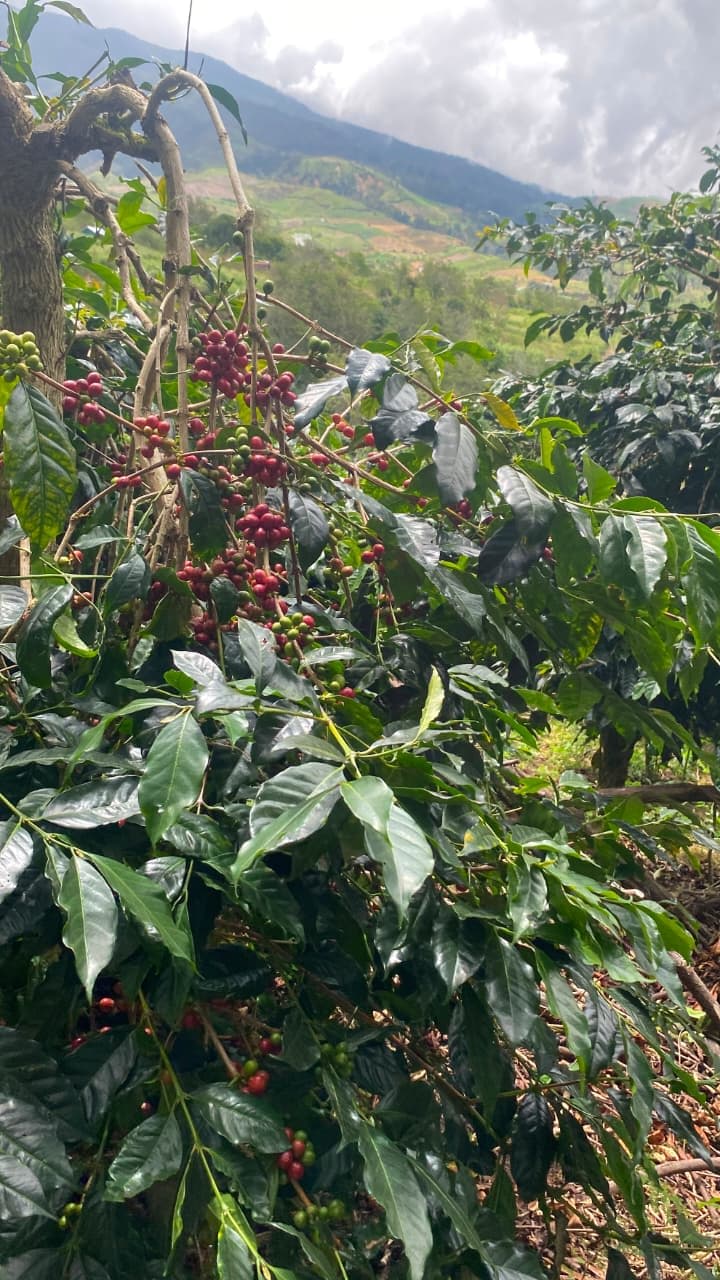
Traceability has become one of the most important topics in the modern coffee industry. Buyers, roasters, importers, and exporters no longer evaluate coffee only by price and flavor. They also want to know where the coffee comes from, how it was processed, who was involved, and how its quality was maintained.
For Indonesian coffee exports, traceability can be a strong value proposition. Coffee with clear origin data is easier for buyers to trust because quality risk, legality risk, and supply chain risk can be reduced.
For suppliers and exporters, traceability is not just an additional document. It is a way to build trust, strengthen origin branding, and show that the coffee being offered has a clear identity.
What Is Traceability in the Coffee Industry?
Traceability in the coffee industry is the ability to track the journey of coffee from its production origin to the buyer or roaster. In the context of green beans, traceability usually includes information about farmers, farmer groups, farms, origin, post-harvest processing, lot number, warehouse, and shipment.
Traceability answers important questions: where does the coffee come from, who produced it, how was it processed, when was it harvested, how was it dried, and how was its quality tested?
The more complete the traceability data, the easier it is for buyers to understand the product. For export markets, this information can help buyers evaluate whether the coffee fits their business needs, quality standards, and purchasing policies.
Why Traceability Is Becoming More Important for Coffee Exports
Traceability is becoming more important because the global coffee market is moving toward transparency. Buyers do not only need good-tasting coffee; they also need coffee with clear origin and supply chain information.
In international trade, buyers often face risks such as inconsistent quality, unclear origin, incomplete documents, or product claims that are difficult to verify. Traceability helps reduce these risks.
For Indonesian exporters, traceability also helps improve bargaining power. Coffee with origin stories, lot data, processing information, and quality records often looks more professional than coffee offered only with product name and price.
The Connection Between Traceability and Buyer Trust
Trust is one of the most important assets in coffee export. International buyers cannot always visit farms or warehouses directly. They rely on data, communication, samples, documents, and supplier consistency.
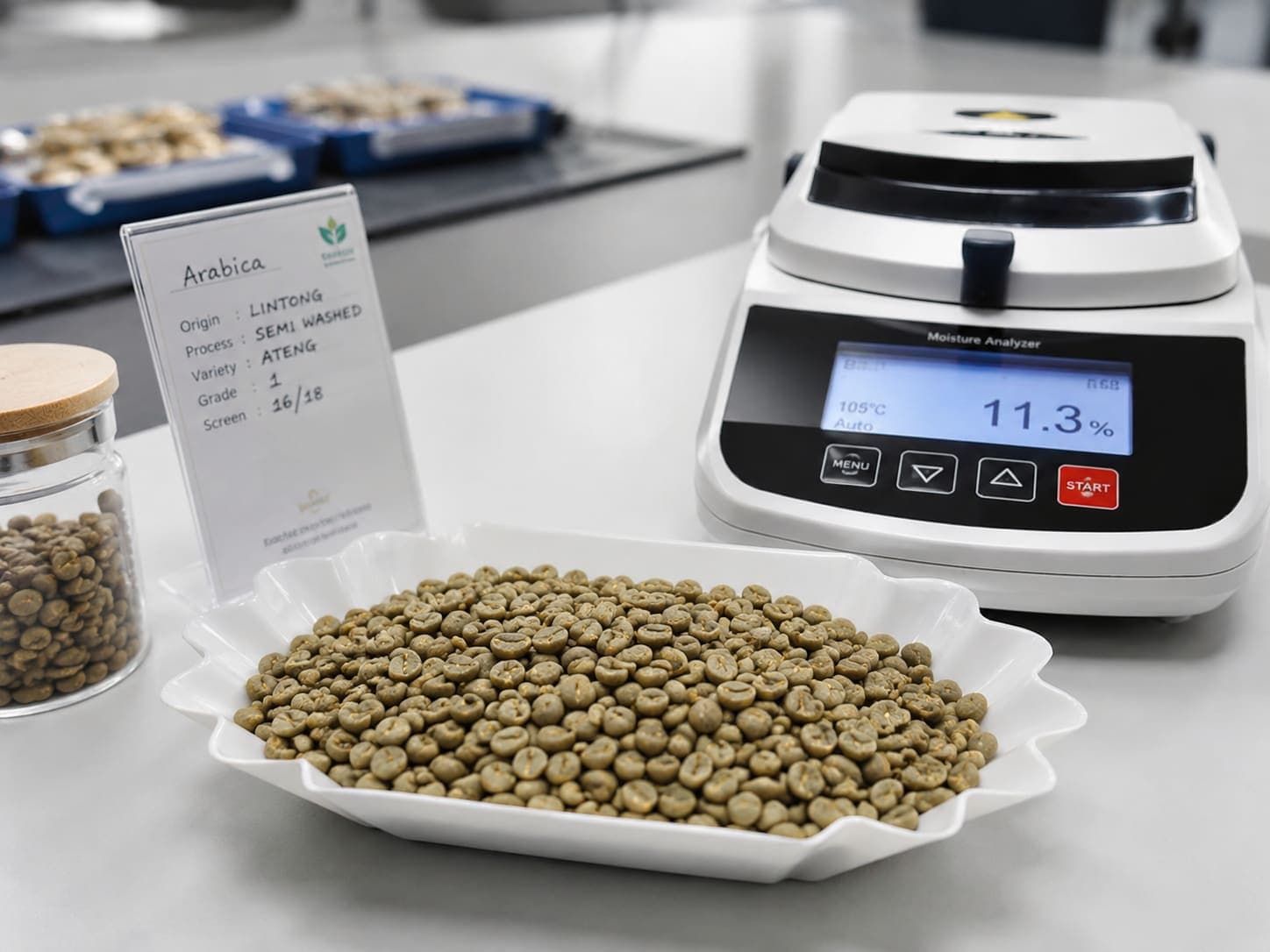
Traceability helps build trust because buyers can see that the coffee has a clear identity. Information such as origin, processing method, moisture content, defect count, cupping notes, and lot number makes the product easier to evaluate.
If suppliers can provide data consistently, buyers can make decisions more confidently. On the other hand, if information is inconsistent or too general, buyers may hesitate to continue the purchase.
What Data Is Included in Coffee Traceability?
Traceability does not have to be complicated from the beginning. Suppliers and exporters can start with the basic data most buyers need.
Origin name
Production area or district
Farmer or farmer group name if available
Altitude
Variety
Processing method
Harvest date or crop year
Lot number
Moisture content
Defect count
Screen size
Cupping notes
Supply capacity
Drying method
Packaging type
Warehouse entry date
Quality control notes
This data helps buyers understand the product’s characteristics and risks. The clearer the data, the easier it is for buyers to compare coffee from one supplier with another.
Traceability and Green Beans Quality
Traceability is closely connected with green beans quality. When suppliers know the origin of each lot clearly, quality control becomes easier to manage.
If a quality issue occurs, traceability helps identify the source of the problem. For example, if a lot has moisture content that is too high, the supplier can check whether the issue came from drying, storage, or packaging.
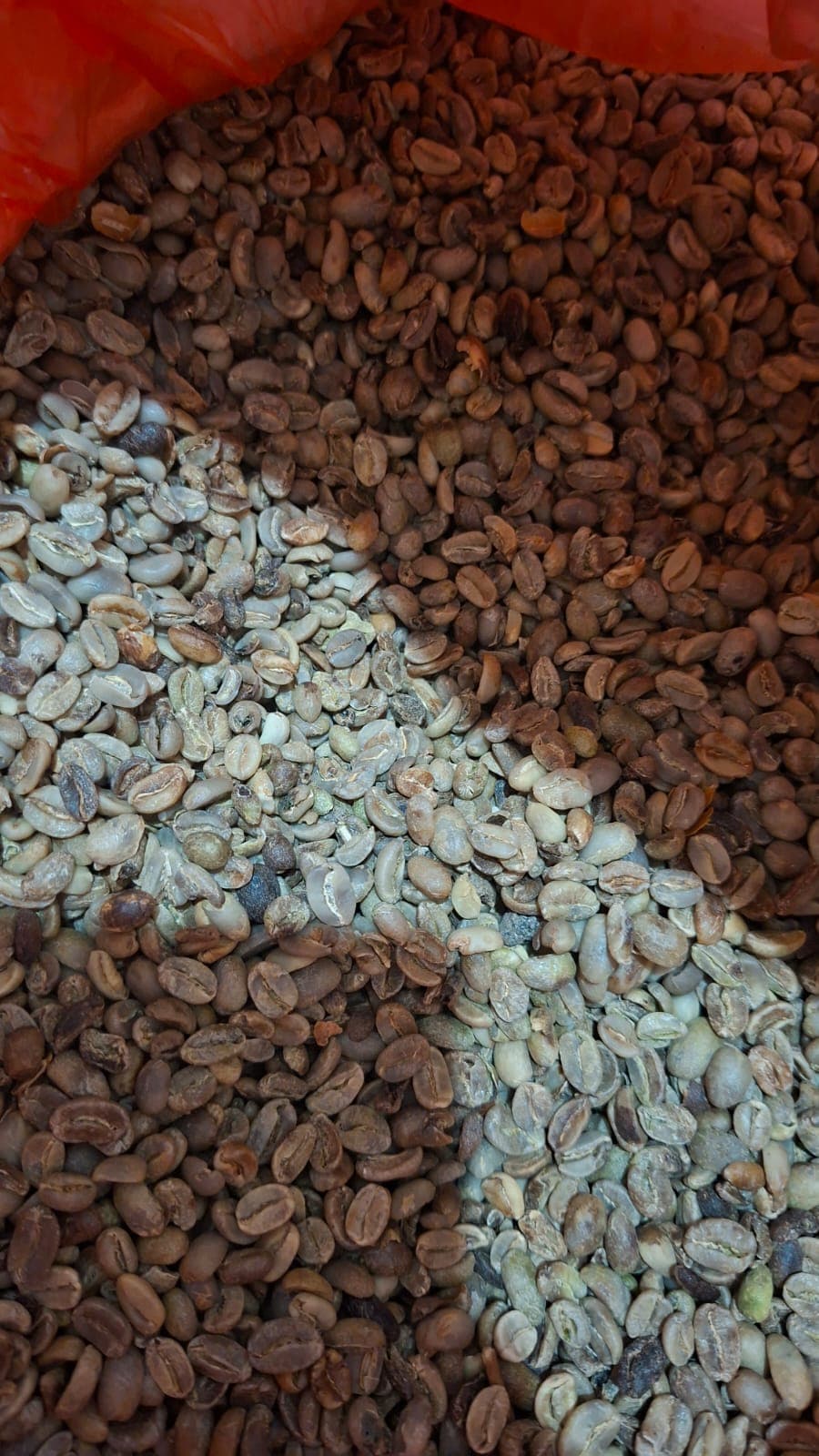
If defect count is high, the supplier can trace whether the cause came from non-selective harvesting, poor sorting, or improper handling.
Without traceability, quality problems are harder to solve because the source of the issue is unclear.
Traceability and Origin Branding
Origin is an important part of coffee marketing. Names such as Aceh Gayo, Java Ijen, Toraja, Flores, and Bali Kintamani have value because buyers recognize the characteristics and stories behind these regions.
However, origin branding is not enough if it only uses a regional name. Buyers also need more detailed information, such as the production area, processing method, flavor profile, and quality consistency.
Traceability strengthens origin branding. With clear data, suppliers are not only selling “coffee from a region,” but coffee with identity, story, and quality evidence.
Traceability and Global Market Regulations
Global markets are paying more attention to sustainability, legality, and environmental impact in commodity supply chains. The European Union Deforestation Regulation, or EUDR, includes coffee as one of the regulated commodities along with cocoa, palm oil, rubber, soy, wood, and cattle.
The EUDR aims to ensure that products entering or leaving the EU market are not linked to deforestation or forest degradation. The European Commission explains that operators or traders placing covered commodities on the EU market must be able to prove that the products do not originate from recently deforested land or contribute to forest degradation.
In practice, commodities such as coffee require stronger data, including production origin and due diligence information. The European Commission also notes that coffee is covered by the regulation, with application dates for large and medium operators starting on 30 December 2026, while micro and small operators have until 30 June 2027.
For Indonesian exporters, this is a signal that traceability is not only a value-added feature. It can become an important requirement for access to certain markets.
What Does This Mean for Indonesian Suppliers and Exporters?
For Indonesian suppliers and exporters, traceability requirements mean that data systems need to become more organized. Suppliers should not only know stock and price. They also need to understand product origin, processing, quality, and lot history.
Exporters also need to prepare more professional communication. International buyers may request additional data such as detailed origin, land legality, supporting documents, and evidence that the product meets destination market standards.
This may be challenging, especially for supply chains involving many smallholder farmers. However, suppliers that build traceability earlier will have a stronger position than competitors that still sell products without clear data.
Traceability Does Not Have to Be Perfect from the Start
Many coffee businesses assume that traceability must immediately use a complex digital system. In reality, traceability can start from simple but consistent recordkeeping.
Suppliers can begin by recording coffee origin, farmer group name, warehouse entry date, processing method, QC results, and lot number. This data can then be stored in spreadsheets, internal databases, or simple systems that are easy to update.
The most important factor is not the tool, but the consistency of data recording. A simple but well-maintained system is better than a traceability claim without supporting data.
First Steps to Build Coffee Traceability
For beginner suppliers or exporters, traceability can be built step by step.
Create lot codes for each coffee batch
Record origin and production area
Record farmer or farmer group name if available
Separate lots by process and quality
Measure moisture content
Record defect count
Store cupping notes if available
Document harvest date or crop year
Use packaging with clear labels
Store product photos and supporting documents
Create product specification formats
Update data whenever stock changes
With these steps, suppliers can start building a more professional traceability system without immediately using expensive technology.
The Role of Digitalization in Traceability
Digitalization can help make traceability easier and more organized. Data that was previously recorded manually can be entered into spreadsheets, databases, QR codes, internal dashboards, or supply chain systems.
For coffee companies, digitalization helps teams record lots, stock, quality, buyers, and documents in a more structured way. Clean data also makes it easier to create catalogs, product sheets, and reports for buyers.
However, digitalization is not a solution if field data is inaccurate. A digital system is only strong when the recording process from the beginning is correct.
Traceability and Coffee Selling Price
Traceability can help increase coffee value, but it does not automatically increase price. Buyers still evaluate quality, consistency, flavor, volume, and market needs.
However, coffee with good traceability usually builds trust more easily. If buyers must choose between two suppliers with similar prices, the supplier with complete data often looks safer.
In some segments, especially specialty coffee and certain export markets, traceability can become an important factor in purchasing decisions.
Challenges of Building Traceability in Indonesia
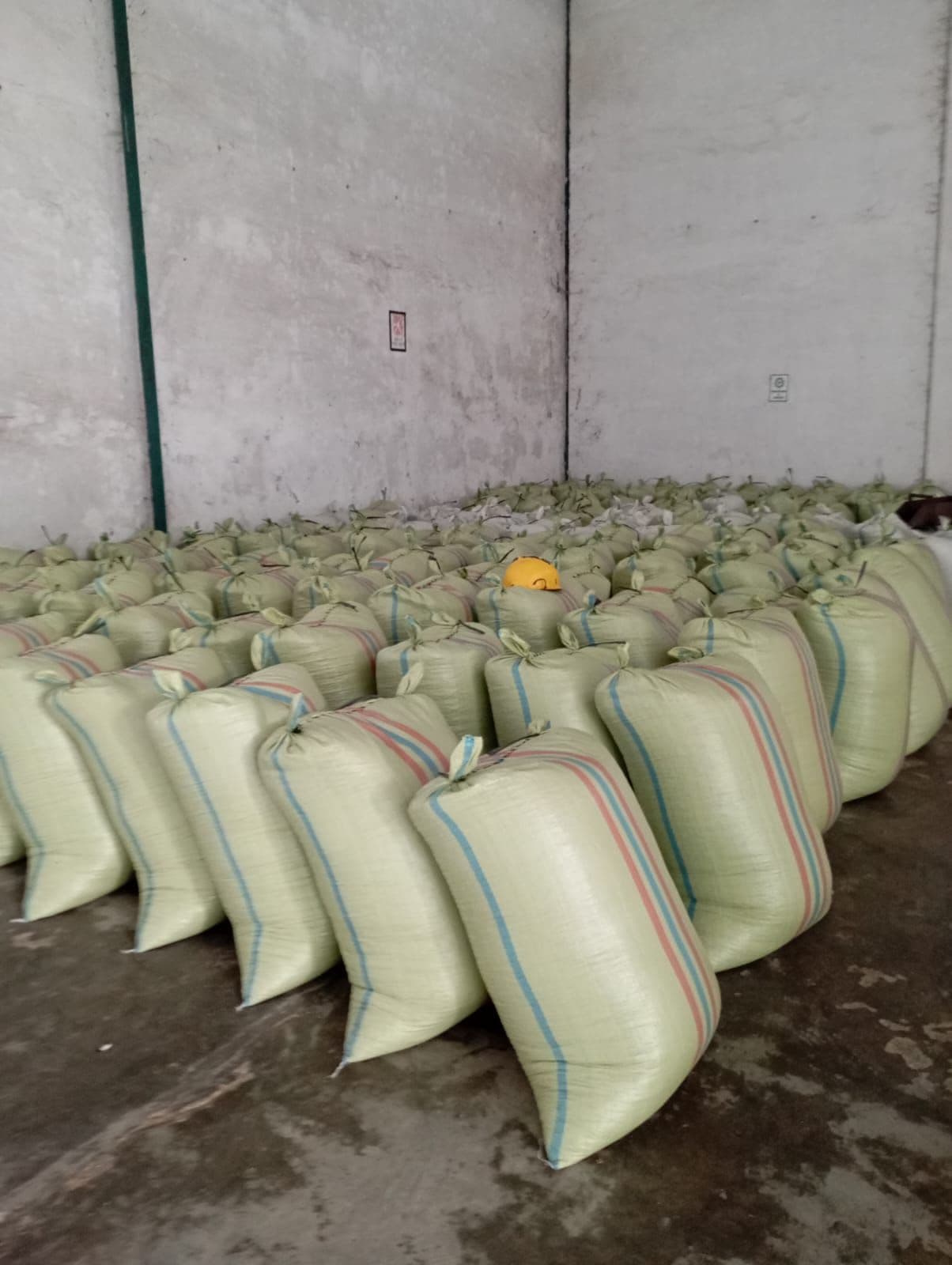
Building traceability in Indonesia has its own challenges. Coffee supply chains often involve smallholder farmers, collectors, processors, suppliers, and exporters. The longer the supply chain, the harder it is to keep data organized.
Common challenges include:
Farmer data is not fully documented
Lots are often mixed
Recordkeeping is still manual
Quality control standards are not uniform
Production capacity is unstable
Measurement and documentation costs
Limited understanding of buyer requirements
Uneven access to technology
These challenges cannot be solved in one day. However, suppliers and exporters can start with the most ready lots, the clearest origins, or farmer partners with better data.
How Nawasena Can Use Traceability
For Nawasena, traceability can become an important part of branding and export strategy. With more organized origin, quality, and process data, Nawasena can strengthen its position as a professional coffee supplier and exporter.
Traceability can also be used in product catalogs, educational articles, company profiles, and buyer communication. Information such as origin, processing method, moisture content, defect count, screen size, cupping notes, and supply capacity can make products easier to understand.
If done consistently, traceability does not only help buyers. It also helps the company manage stock, evaluate suppliers, maintain quality, and build long-term reputation.
Conclusion
Traceability matters for Indonesian coffee exports because it helps buyers understand coffee origin, processing, quality, and supply chain. In a global market that increasingly demands transparency, traceability is one factor that can increase buyer trust.
For suppliers and exporters, traceability helps strengthen origin branding, reduce quality risks, and prepare for stricter market standards.
Traceability does not have to be perfect from the beginning. The first steps can start with recording origin, lot number, processing method, moisture content, defect count, cupping notes, and quality documentation. With consistency, a simple system can become an important asset in the coffee export business.
Data Sources
European Commission, Regulation on Deforestation-free Products.
European Commission, EUDR implementation references.
World Resources Institute, explanation of the EU Deforestation Regulation.
Industry references related to coffee traceability, sustainability, and green beans supply chain.

Author
Khoirul Anam
Coffee Market Analyst
Fokus pada harga komoditas, tren roaster, dan permintaan specialty coffee lintas negara.